
Ah, Italy! The land of exquisite pasta, world-renowned pizza, and the most incredible gelato you could ever dream of. I absolutely adore Italian cuisine, and honestly, who wouldn’t?
But let’s be real for a moment. As much as I cherish a perfectly al dente carbonara, there comes a time when your palate just starts craving something different, something with a spicy kick or that comforting, familiar warmth of a home-cooked meal.
If you’re anything like me, a dedicated fan of K-dramas and K-pop, you’ve probably found yourself utterly desperate for a steaming bowl of sundubu-jjigae or a side of crispy kimchi after weeks of solely Mediterranean flavors.
Trust me, I’ve been there – standing in a bustling Italian piazza, suddenly hit by an intense longing for Korean BBQ. It’s a real struggle, navigating a country so deeply rooted in its own culinary traditions while the global K-wave has us all dreaming of bibimbap.
Finding authentic Korean ingredients or even a decent Korean restaurant in cities like Rome or Florence can feel like a treasure hunt, but fear not, fellow K-food enthusiast!
I’ve trekked through countless Italian supermarkets and explored hidden corners to bring you the ultimate guide. Let’s explore this thoroughly.
Cracking the Code of Italian Supermarkets for Your K-Fix
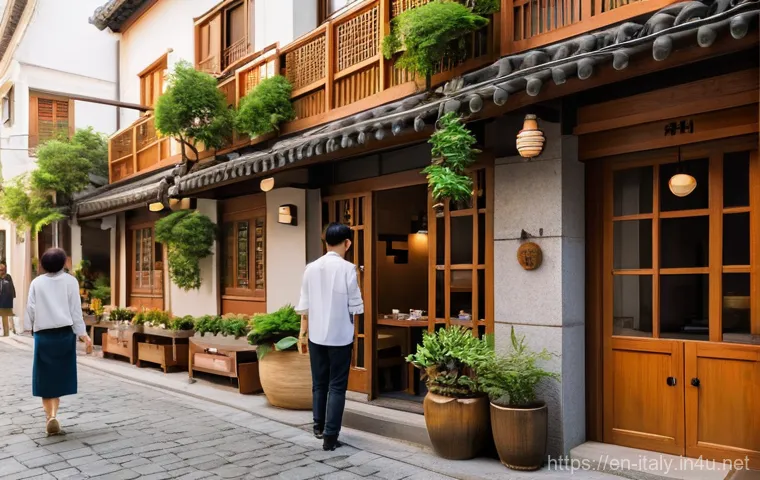
Oh, the sheer joy, and sometimes utter despair, of navigating an Italian supermarket when all you want is some gochujang! Trust me, I’ve spent countless hours wandering through aisles, squinting at labels, and trying to decipher if that vaguely reddish paste could possibly be the chili magic I’m looking for. It’s like a culinary detective mission, and honestly, half the fun (and frustration!) is in the hunt itself. The truth is, while Italian stores are a paradise for pasta and cheese, they’re not exactly overflowing with Korean specialty items. But don’t you dare give up hope! You’d be surprised by what you can actually find, and it often involves a bit of lateral thinking and an eagle eye for those ‘international’ sections that sometimes feel like an afterthought tucked away behind the dairy aisle. I remember this one time in a small Conad in Tuscany, I almost walked past a tiny shelf labeled “Prodotti Orientali” – and lo and behold, there was a small bottle of sesame oil! It felt like striking gold, and I practically skipped out of the store. It’s these small victories that make the whole experience so rewarding, reminding you that persistence truly pays off when your taste buds are on the line.
Spotting the Unexpected: Asian Aisles and International Sections
Alright, so here’s my personal strategy. When you first walk into a large Italian supermarket like an Esselunga, Carrefour, or even a bigger Conad, don’t just breeze past the ethnic food section if you see one. Sometimes, they’re surprisingly well-stocked, even if the label is just a generic “Cucina Orientale” or “Prodotti del Mondo.” These sections are usually where you’ll find the most common Asian ingredients, and occasionally, a real gem. I’ve personally stumbled upon soy sauce (naturally!), rice noodles, and sometimes even a small selection of dried seaweed. While it might not be the specific brand of gim you’re craving, it’s a start! It’s all about keeping an open mind and scanning every single shelf in that area. And don’t be afraid to check multiple stores! What one Carrefour lacks, another might surprisingly have. I’ve found that smaller, independent ethnic grocery stores, though rarer, are often better for finding more authentic items, but for the mainstream supermarkets, it’s really a hit-or-miss game you need to play with patience and a hopeful heart.
Reading Labels: Your New Secret Weapon
This is where your inner linguistic detective comes out! Italian labels can be tricky, especially when you’re looking for something specific. Since most Korean products won’t have prominent English labels, you’ll need to look for common ingredients or even just distinctive packaging. For example, if you’re hunting for gochugaru (Korean chili flakes), you might find a general “peperoncino in fiocchi” which, while not quite the same, can sometimes be a decent substitute in a pinch. For gochujang, look for chili paste that specifically mentions fermented soybeans or rice. It’s a long shot, but sometimes you get lucky! My advice? Have a few key Korean ingredient names ready on your phone, both in English and perhaps even a rough Italian translation if possible. Google Translate’s camera feature can be a lifesaver here, trust me. I’ve stood in countless aisles holding my phone up to jars, hoping for a glimmer of recognition. It’s tedious, but when you finally unearth that perfectly fermented doenjang, all the effort feels completely worth it.
The Treasure Map to Authentic Korean Eateries in Italy
Finding a truly authentic Korean restaurant in Italy can feel like discovering a hidden gem in a bustling piazza. It’s not like trying to find a pizza place, where they’re practically on every corner! But trust me, they do exist, and when you finally taste that first spoonful of kimchi jjigae after weeks of pasta, it’s like a little piece of heaven. I’ve been on a personal quest to sniff out these culinary sanctuaries, from the biggest cities to the most unexpected corners, and each successful find feels like a victory. These places are often run by Korean expats who pour their heart and soul into their food, bringing a taste of home to those of us craving it. They’re more than just restaurants; they’re cultural hubs, a place where you can hear Korean spoken and feel a genuine connection to the vibrant culture you miss. And let’s be honest, sometimes you just need someone else to do the cooking, especially when it involves complex flavors and traditional techniques that are hard to replicate at home.
Rome, Milan, Florence: Where to Start Your Culinary Quest
In Italy’s larger metropolitan areas, your chances of finding a decent Korean spot significantly improve. Rome, with its international flair, has a few well-established Korean restaurants that are highly rated. Think places near Termini or in the student-heavy San Lorenzo district. Milan, being a fashion and business hub, also boasts a small but growing number of Korean eateries, often frequented by expats and locals alike. Florence, surprisingly, has a couple of cozy spots tucked away that are absolutely worth seeking out after a day of art appreciation. My top tip? Always, always check recent Google reviews! Look for comments from Korean speakers or people mentioning the authenticity of the banchan (side dishes) – that’s usually a tell-tale sign of a good place. It’s not just about the main dish, but the whole experience, including the delightful array of small plates that truly make a Korean meal special. Don’t be afraid to travel a little outside the immediate city center; sometimes the best finds are a short metro or bus ride away, offering a more local and less touristy experience.
Beyond the Big Cities: Discovering Hidden Gems
Now, this is where it gets really exciting, and a bit more challenging! While the big cities are your safest bet, I’ve had some of my most memorable Korean food experiences in smaller, unexpected towns. It usually involves a local tip-off, or simply stumbling upon a small, unassuming spot while exploring. These places are often family-run and might not even have extensive online presence, which makes finding them even more rewarding. Sometimes, they’re not exclusively Korean but might be pan-Asian restaurants with a surprisingly strong Korean section on their menu. The key here is to keep your eyes peeled, talk to locals (especially international students if you spot them!), and be open to venturing slightly off the beaten path. I recall finding an incredible Korean BBQ spot in a small town near Naples, of all places! It was purely by chance, and the taste of sizzling marinated beef on a grill, surrounded by friendly faces, was truly unforgettable. These are the moments that make the struggle of finding K-food in Italy totally worth it.
Your Italian Kitchen, Your Korean Sanctuary
There’s something incredibly satisfying about whipping up your favorite Korean dishes right in your Italian kitchen, especially when you’ve had a long week and just want that taste of home. It’s a wonderful way to connect with your roots or explore a new culinary world, even if you’re far from Korea. Over the years, I’ve learned to adapt, improvise, and sometimes, just plain get creative with what’s available. It’s not always about finding the exact ingredient; sometimes it’s about understanding the core flavors and finding local alternatives that can mimic that delightful taste. Plus, cooking at home is often far more budget-friendly than eating out, and you get to control every single ingredient, which is a huge bonus if you have specific dietary preferences or allergies. It’s become a comforting ritual for me, turning my small Italian kitchen into a little Korean haven, complete with the fragrant smells of garlic, ginger, and chili.
Essential Korean Pantry Staples: What to Prioritize
When you’re building your Korean pantry in Italy, you absolutely need to prioritize a few key items. First and foremost, a good quality soy sauce is non-negotiable – ideally, a Korean or Japanese one, but even a good Italian brand can work in a pinch. Then, gochujang and gochugaru are your next big targets; they are the heart and soul of so many Korean dishes. After that, look for doenjang (fermented soybean paste) for stews, sesame oil for finishing dishes, and some dried anchovies and kelp for making dashi, the flavorful base for many soups. Fresh ingredients like garlic, ginger, and spring onions are readily available in Italian markets, thankfully! For vegetables, napa cabbage (cavolo cinese) is surprisingly common, especially in larger supermarkets, and you can usually find daikon radish (ravanello bianco). Don’t forget rice! While Korean short-grain rice can be a challenge, a good Italian Arborio or sushi rice can often do the trick for your everyday meals.
DIY Kimchi and Other Fermented Adventures
Making your own kimchi in Italy might sound daunting, but I promise you, it’s incredibly rewarding! I started with small batches, and now it’s a regular activity in my kitchen. Finding napa cabbage (cavolo cinese) is usually the first step, and as I mentioned, larger Italian supermarkets often carry it. For the chili powder, if you can’t find gochugaru, a mix of Italian peperoncino in fiocchi and perhaps a tiny bit of smoked paprika can give you a similar warmth, though the flavor profile will be slightly different. The rest – garlic, ginger, spring onions, salt, fish sauce (salsa di pesce, sometimes found in Asian sections) – are generally accessible. Beyond kimchi, don’t shy away from making other fermented delights like kkakdugi (cubed radish kimchi) or even a simple oi muchim (spicy cucumber salad). It’s an adventure, and honestly, the taste of homemade kimchi, knowing you sourced the ingredients and put in the effort, is unparalleled.
To help you navigate, here’s a quick overview of some key Korean ingredients and their potential Italian counterparts or where you might find them:
| Korean Ingredient | What It Is | Italian Substitute (if applicable) | Where to Find in Italy (General) |
|---|---|---|---|
| Gochujang | Korean Chili Paste | Harissa (spicy, but different flavor profile) | Larger Asian markets, online Italian/European Asian grocers |
| Gochugaru | Korean Chili Flakes | Peperoncino in fiocchi (less complex flavor) | Larger supermarkets (international aisle), specialty spice shops, online |
| Doenjang | Fermented Soybean Paste | Miso (Japanese, milder), or none directly | Asian markets, online |
| Sesame Oil | Toasted Sesame Oil | Olio di sesamo (often found in international sections) | Most large supermarkets, Asian markets |
| Kimchi | Fermented Spicy Cabbage | Sauerkraut (fermented, but different spices) | Specialty Asian markets, some high-end organic stores, online, Korean restaurants |
The Digital Lifeline: Online Stores Saving Your K-Cravings
Let’s be real: sometimes, you just can’t find what you need in a physical store, no matter how hard you look. Or perhaps you’re living in a smaller town where Asian markets are non-existent. This is where online shopping becomes your absolute best friend in the quest for Korean culinary bliss! I honestly don’t know what I would do without the internet for those truly specific items, like certain brands of noodles or specialized sauces. It’s a game-changer, opening up a world of ingredients that would otherwise be completely out of reach. While shipping costs and delivery times can sometimes be a bit of a hurdle, for me, the convenience and the sheer joy of receiving a box full of Korean goodies far outweigh any minor inconveniences. It feels like Christmas morning every time a package arrives, promising delicious meals ahead.
European Asian Grocers Delivering to Italy
There are several excellent online Asian grocery stores based in other European countries that happily ship to Italy. Websites like “Asia Supermarket,” “Toko Bintang,” or “Oriental Market” (just examples, you’ll need to search for current ones!) often have extensive Korean sections. These stores typically carry a much wider range of authentic brands for everything from kimchi to instant ramyeon, and even frozen items like mandu (dumplings). My personal experience has been overwhelmingly positive with these services. I remember ordering a huge batch of various gochujang and gochugaru brands, along with some specialty rice cakes for tteokbokki, and it arrived in perfect condition within a week. It’s amazing how these online shops connect us to our favorite flavors, no matter where we are in Europe. Just be sure to check their shipping policies to Italy and minimum order requirements, as these can vary.
Navigating Shipping and Customs: A Small Price for Comfort
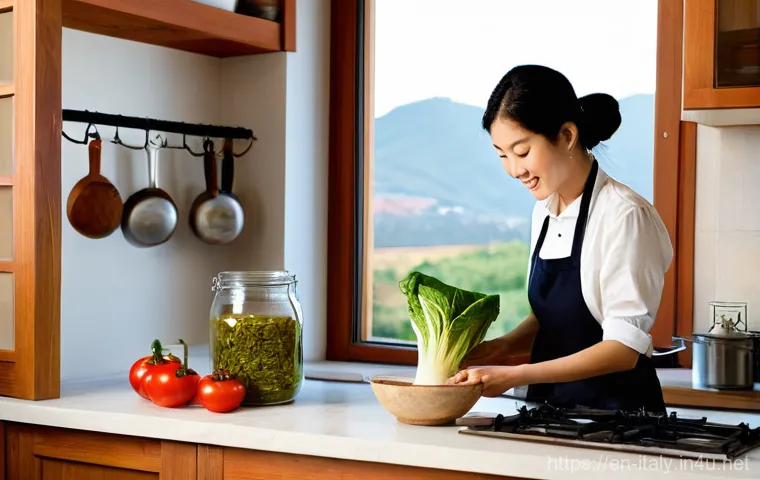
While online shopping is fantastic, there are a few things to keep in mind when ordering from outside Italy. Shipping costs can add up, especially for heavier items, so it often makes sense to place a larger order to make the delivery fee more worthwhile. Keep an eye out for free shipping thresholds! Also, be aware of customs, especially if ordering from outside the EU. Although most European-based Asian grocers handle this smoothly within the EU, if you ever venture to an international seller, you might encounter additional fees. Always check the seller’s policies on duties and taxes. I’ve found that even with these added costs, the price is often comparable to or even better than what you’d pay in a rare physical Asian store in Italy, and the convenience is unbeatable. Plus, there’s no price you can put on satisfying a deep, lingering craving for a truly authentic Korean meal!
Mastering the Art of Substitution: When Authenticity is a Stretch
Let’s face it, sometimes finding that exact Korean ingredient in Italy is just not going to happen. And that’s okay! This is where your culinary creativity really gets to shine. I’ve learned to embrace the art of substitution, turning what could be a frustrating roadblock into an exciting challenge. It’s about understanding the role an ingredient plays – is it for heat, umami, texture, or a specific aroma? Once you grasp that, you can start looking for local Italian ingredients that can step in and play a similar part, even if they bring their own unique twist to the dish. Some of my most delicious and unexpected Korean-Italian fusion meals have come from these moments of necessity. Don’t be afraid to experiment! Your taste buds might just discover something new and wonderful that you wouldn’t have otherwise experienced.
Italian Ingredients Stepping In for Korean Flavors
You’d be surprised how many Italian staples can cleverly substitute for Korean ones. For example, instead of Korean radish (mu), you can often use daikon radish (ravanello bianco) which is sometimes available, or even just regular radishes for a similar peppery crunch, though they’re much smaller. For a sour, fermented kick, while it’s no kimchi, a good quality sauerkraut (crauti) can sometimes provide a similar tang in certain stews, especially if you add your own chili. For soups, a rich vegetable broth or even a light chicken broth can stand in for anchovy-kelp dashi, particularly if you season it well with soy sauce and garlic. Italian rice varieties, especially short-grain ones like Arborio, work perfectly fine for most Korean rice dishes. And for greens, Italian spinach or even Swiss chard can often substitute for some of the more obscure Asian leafy vegetables you might struggle to find.
Creative Blending: Fusing Flavors for Your Palate
This is where the real magic happens! Instead of just replacing, think about blending. Can’t find perilla leaves? Try a touch of fresh basil or mint for an aromatic twist. No specific Korean chili paste? Mix a robust Italian tomato paste with some local peperoncino powder and a touch of sugar and soy sauce for a quick, flavorful base that’s still delicious. I once made a “fusion” tteokbokki using Italian gnocchi as the rice cake substitute, and while purists might scoff, it was actually incredibly comforting and tasty! The key is to respect the essence of the Korean dish – its balance of sweet, spicy, savory, and sometimes sour – and then use the best local ingredients you have to recreate that balance. It’s about making the food your own, celebrating both cultures on your plate. After all, food is about connection and joy, and sometimes that means a delicious, albeit unconventional, fusion.
Beyond Bibimbap: Connecting with Korean Culture in Italy
While the hunt for delicious Korean food is definitely a driving force for many of us, the K-wave is so much more than just cuisine, isn’t it? If you’re anything like me, your love for sundubu-jjigae probably started with a K-drama binge or a deep dive into the latest K-pop sensations. The beauty of the Hallyu wave is that it transcends borders, and even in Italy, a country so proud of its own rich culture, you can find vibrant pockets of Korean influence. It’s really wonderful to see how people from all walks of life are embracing this culture, and it’s a fantastic way to feel connected to something familiar, even when you’re thousands of miles from Seoul. It’s about finding community, sharing passions, and keeping that spark of excitement alive for all things Korean.
K-Pop Events and Community Gatherings
You might be surprised to find that Italy, especially its major cities, hosts a variety of K-pop events, fan meetups, and even small conventions. These are fantastic opportunities to connect with fellow enthusiasts, share your love for your favorite groups, and sometimes even get your hands on official merchandise that’s hard to find otherwise. Keep an eye on social media groups, especially Facebook groups dedicated to K-pop in Italy or specific city-based K-culture groups. I’ve attended a few fan gatherings in Milan and Rome, and the energy is always electric! It’s a fantastic way to feel part of a bigger community, to sing along to your favorite tunes, and to share those shared experiences that make being a K-pop fan so special. Sometimes, local universities with Asian studies programs also host cultural events that are open to the public, which can be a goldmine for finding like-minded individuals.
Language Exchange and Cultural Workshops
If you’re really looking to deepen your connection, why not try learning some Korean or participating in cultural workshops? Many language schools in larger Italian cities now offer Korean classes, catering to the growing interest. Beyond formal classes, you can often find language exchange groups where you can practice Korean with native speakers and help them with their Italian in return. It’s a win-win! Additionally, look out for cultural centers or even smaller independent organizations that might host workshops on traditional Korean crafts, cooking classes (which can also help with your ingredient hunt!), or even film screenings. I’ve found these experiences incredibly enriching, allowing me to not just consume Korean culture but to actively engage with it. It’s a beautiful way to truly understand and appreciate the nuances that make Korea so captivating, making your time in Italy even more vibrant and connected.
Wrapping Up Our K-Fix Journey
And there you have it, my friends! What a journey it is, navigating the beautiful labyrinth of Italian life while keeping our Korean cravings happily satisfied. It’s not always easy, but honestly, that’s part of the adventure, isn’t it? Every time I manage to whip up a delicious kimchi jjigae with ingredients I’ve hunted down or discovered online, or find a fantastic Korean spot in an unexpected corner of Italy, it feels like a genuine victory. Remember, food is all about connection – to our roots, to new cultures, and to each other. So keep exploring, keep tasting, and don’t be afraid to get a little creative in your Italian kitchen!
Handy Info for Your Korean Culinary Quest
Here are a few quick takeaways and useful tips I’ve picked up along the way that I think you’ll find super helpful on your own Korean food adventure in Italy:
1. Start Your Search Online: For truly specific Korean ingredients like your favorite gochujang brand or a particular type of noodle, European-based online Asian grocery stores that ship to Italy are often your best bet. They offer a much wider selection and save you a lot of legwork, even if shipping takes a few days. Always check their delivery fees and minimum order requirements!
2. Explore Local “Ethnic” Aisles: Don’t dismiss the international or “Prodotti Orientali” sections in larger Italian supermarkets like Esselunga or Carrefour. While not always a treasure trove, they can sometimes surprise you with essentials like soy sauce, sesame oil, and occasionally even rice noodles or dried seaweed. It’s always worth a quick look!
3. Harness the Power of Italian Produce: Many Italian farmers’ markets and larger grocery stores offer fantastic fresh ingredients that can be adapted for Korean cooking. Look for cavolo cinese (Napa cabbage), ravanello bianco (daikon radish), fresh ginger, garlic, and spring onions. These local finds are often incredibly fresh and flavorful.
4. Connect with the K-Community: Beyond food, Italy’s K-wave scene is growing! Join K-Pop fan groups on social media, look for language exchange meetups, or attend cultural events. These are wonderful ways to find like-minded people, discover hidden gems (like a new Korean restaurant!), and deepen your connection to Korean culture.
5. Embrace the Art of Substitution and Fusion: When an exact ingredient isn’t available, don’t fret! Get creative with Italian substitutes. A good quality peperoncino in fiocchi with a dash of smoked paprika can stand in for gochugaru, and Arborio rice works perfectly for many Korean rice dishes. Sometimes, the most delicious meals are born from a little inventive fusion!
Key Takeaways
Ultimately, finding your Korean fix in Italy is a rewarding journey that blends persistence, a keen eye, and a dash of culinary creativity. Whether you’re hunting for ingredients in a bustling market, discovering a hidden restaurant, or creating your own fusion dishes at home, remember that every step is part of a vibrant cultural exploration. Enjoy the process, savor the flavors, and let your love for Korean culture continue to thrive, no matter where you are in the world!
Frequently Asked Questions (FAQ) 📖
Q: . It’s a real struggle, navigating a country so deeply rooted in its own culinary traditions while the global K-wave has us all dreaming of bibimbap. Finding authentic Korean ingredients or even a decent Korean restaurant in cities like Rome or Florence can feel like a treasure hunt, but fear not, fellow K-food enthusiast! I’ve trekked through countless Italian supermarkets and explored hidden corners to bring you the ultimate guide. Let’s explore this thoroughly.Now, I know what you’re probably thinking: “Is it even possible to get my K-food fix in Italy?”
A: nd the answer, my friends, is a resounding YES! It just takes a little insider knowledge and, dare I say, a touch of adventurous spirit. Having navigated this culinary dilemma myself countless times, I’ve gathered some of the most frequently asked questions from fellow K-food lovers yearning for a taste of home (or just a taste of something deliciously different!) while in the heart of Italy.
So, let’s dive into your burning questions.
Q: Is it really that hard to find authentic Korean ingredients in Italy, especially outside of major cities like Rome or Milan?
A: Oh, my goodness, this is a question I’ve asked myself a million times! My first few trips to local Italian supermarkets were filled with a mix of hope and eventual disappointment.
I’d walk down every aisle, my eyes scanning for familiar red tubs of gochujang or that distinct bottle of sesame oil, often leaving empty-handed. In the smaller towns and more rural areas, yes, it can be quite a quest!
You’re likely to find the standard “international foods” section, which might offer soy sauce or a generic chili paste, but for the true, specific Korean staples – think doenjang, gochugaru, or those wonderful sheets of gim for kimbap – you’ll often hit a wall.
However, don’t despair! My big discovery, especially if you’re not in a major metropolitan area, has been the power of online Asian grocery stores that ship across Italy.
There are a few fantastic ones now that have saved my cooking adventures more times than I can count. In cities like Rome, Milan, or even Florence, you’ll find dedicated Asian supermarkets – sometimes a bit hidden – that carry a much wider selection.
These places are truly a treasure trove! My advice? Start by asking local expat groups online, or just do a good old Google Maps search for “negozio alimentare asiatico” (Asian food store) near you.
You might just uncover a gem, and when you do, believe me, it feels like winning the lottery!
Q: What are your best tips for tracking down a great Korean restaurant in Italy that isn’t just a generic ‘
A: sian’ fusion place? A2: This is absolutely critical, my friends! I’ve been there – that gut-wrenching moment when you walk into a place advertised as “Korean” only to find a menu that’s 80% generic stir-fry and 20% questionable attempts at bibimbap.
It’s a real bummer, especially when you’re craving that authentic punch. My absolute go-to strategy, honed through years of K-food pilgrimage, is to become a detective of online reviews.
I don’t just skim the star ratings; I dive deep into the comments. I’m looking for reviews specifically mentioning the authenticity of dishes like a bubbling kimchi jjigae, perfectly marinated bulgogi, or even the quality of their banchan (side dishes).
Even better? Look for photos posted by what appear to be Korean patrons. If you see images of a vibrant, varied array of banchan, or a tabletop grill sizzling with perfectly cooked meat, those are huge green flags!
Another telling sign is the presence of a predominantly Korean staff or, even better, a menu that has Korean script alongside Italian translations. That usually indicates a genuine connection to the cuisine.
And honestly, sometimes the best places are found through word-of-mouth from fellow K-foodies in expat forums or social media groups. They’ve often done the legwork for you, and trust me, their recommendations are gold.
Don’t be afraid to travel a little further for the real deal; your taste buds will thank you!
Q: If I can’t find specific Korean ingredients, what are some easy substitutes or cooking hacks you’ve discovered while living in Italy?
A: Ah, the art of improvisation! This is where the magic truly happens, and honestly, some of my most unexpectedly delicious “Italy-meets-Korea” dishes have been born out of sheer necessity.
Necessity, as they say, is the mother of invention! For instance, if you’re absolutely stuck without gochujang, and your soul is crying out for that spicy, fermented goodness, you can create a hint of its essence.
A mix of a good quality, mild Italian chili paste (be careful with the heat, some Calabrian ones can be intense!), a touch of sugar for sweetness, a splash of soy sauce, and maybe even a tiny bit of miso paste (if you can find it) can create a similar flavor profile.
It won’t be exactly the same, but it’ll get you in the ballpark! When it comes to vegetables, sometimes you need to get creative. For Korean radish (mu), which can be elusive, a large daikon radish from a well-stocked Asian market is your best bet.
If that’s impossible, a crunchy turnip or even a large, crisp red radish can offer a similar texture in dishes like kimchi, though the flavor will be milder.
And let me tell you, Italian garlic and ginger are usually absolutely fantastic and readily available, which is a huge win for almost any Korean dish.
Don’t underestimate how much you can do with good quality local produce. It’s all about adapting, experimenting, and embracing the journey – sometimes those “hacks” become your favorite new way to cook!