Hey everyone! It’s your go-to English blog influencer here, and today we’re tackling a topic that’s been heavy on my mind and probably yours too: the delicate balance between enjoying our dream destinations and staying informed about global safety.
We often think of places like Italy as idyllic escapes, steeped in history and charm, a perfect blend of culture and relaxation. Yet, even in such beloved settings, recent headlines and evolving global dynamics compel us to pause and reflect on the persistent threats of terrorism and how vigilance remains crucial.
While we haven’t seen a wave of major, devastating attacks on Italian soil recently, that doesn’t mean the threat isn’t real or that authorities aren’t working tirelessly behind the scenes.
In fact, travel advisories continue to highlight a general risk of terrorist activity, urging travelers to exercise increased caution, particularly in public spaces.
This continuous underlying concern, coupled with the rapid spread of information (and sometimes misinformation) across our digital world, makes understanding the nuances of current security landscapes more vital than ever.
It’s not about instilling fear, but empowering ourselves with knowledge. I know I’ve personally felt the weight of wanting to explore the world safely, and that’s why diving deep into these topics is so important.
It’s a stark reminder that even as we plan our adventures, being well-informed is our best defense in an ever-changing world. Let’s delve into the specifics and clarify exactly what you need to know about these critical issues.
Understanding the Evolving Landscape of Travel Security
The New Normal: What “Increased Vigilance” Really Means
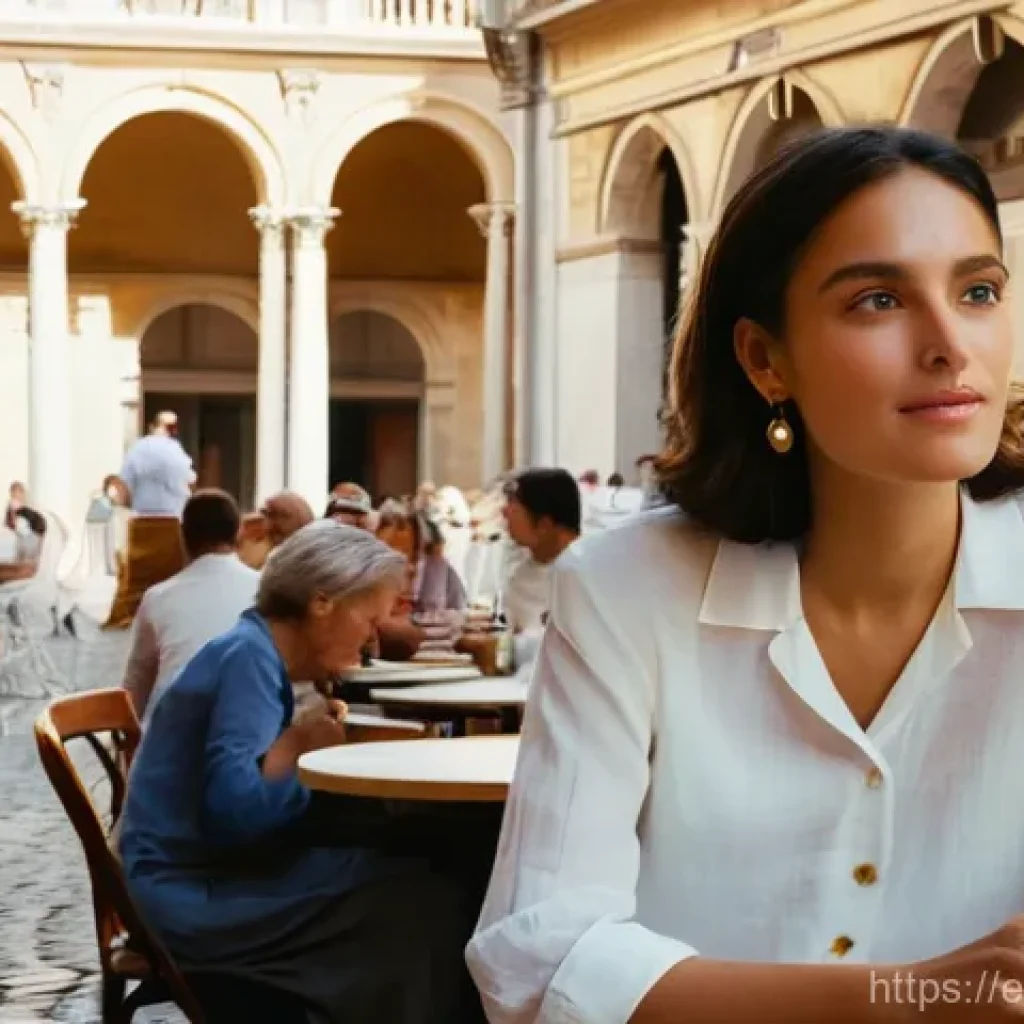
Okay, so you’ve heard the phrase “exercise increased vigilance” a million times, right? But what does it truly mean when you’re sipping an espresso in a bustling piazza in Rome, or navigating the ancient ruins of Pompeii?
For me, it’s not about paranoia; it’s about being present and aware. It means noticing your surroundings more acutely, perhaps paying a little more attention to the people around you, and being quick to identify anything that feels out of place.
It’s that subtle shift from being a completely absorbed tourist to someone who’s also casually observing. I remember once in Florence, I almost walked straight into a street performance, mesmerized, but a tiny voice in my head prompted me to check my bag and glance around first.
That’s increased vigilance in action – a gentle, internal reminder to stay grounded even when your senses are overwhelmed by beauty. It’s about proactive caution, not reactive fear, ensuring that your joy isn’t overshadowed by preventable risks.
This mindful approach allows you to fully immerse yourself in the experience while still keeping a practical eye on your personal safety. It’s truly a skill that enhances, rather than detracts from, your travel experience.
Dispelling Myths: Italy’s Ongoing Commitment to Security
It’s easy for sensational headlines to paint a picture of constant danger, but my experiences and research consistently show that Italy, like many other European nations, is incredibly dedicated to maintaining public safety.
We often hear whispers and rumors, but the reality on the ground reflects a nation that takes security seriously. You’ll see a visible police presence in major cities and at popular tourist spots, which, to me, is always a comforting sight.
It’s not just about responding to incidents; it’s about robust intelligence gathering and preventative measures that often go unseen. Think about the layers of security at airports and train stations – these aren’t just for show.
They’re part of a comprehensive strategy to protect both citizens and visitors. I’ve personally spoken with locals who’ve shared their observations about how seriously authorities approach any potential threats, reinforcing my trust in their systems.
It’s a continuous, dynamic effort, adapting to global changes, and it’s something I genuinely appreciate as a frequent traveler. They’re really good at what they do, and that allows us to focus on the gelato!
Practical Steps for a Safer Italian Adventure
Before You Go: Research and Smart Planning
Planning is your superpower when it comes to safe travel. Before you even pack your suitcase, dive into some solid research. Check the latest travel advisories from your government – they’re updated regularly and provide invaluable insights.
Look up local customs and basic Italian phrases; not only will this enrich your experience, but it can also help you navigate tricky situations more smoothly.
For instance, knowing how to politely ask for directions or help can make a huge difference. I always make a point of understanding local emergency numbers (112 in Italy, by the way!) and jotting them down somewhere accessible, not just relying on my phone.
Also, consider investing in travel insurance that covers more than just medical emergencies, including trip interruptions due to unforeseen circumstances.
I learned this the hard way on a trip years ago when a sudden flight cancellation left me stranded without coverage for an extra night’s stay. A little bit of homework goes a long way in ensuring peace of mind and protecting your wallet!
On the Ground: Situational Awareness and Local Savvy
Once you’re there, it’s all about staying tuned in. Situational awareness isn’t about being paranoid; it’s about being observant. When you walk into a crowded area, take a moment to notice the exits, where the staff are, and the general vibe.
If something feels off, trust your gut. I’ve found that blending in, rather than standing out, can also be a subtle layer of security. Dressing modestly, avoiding flashy jewelry, and not openly displaying expensive electronics can make you less of a target for petty crime.
And let me tell you, blending in also makes you feel more like a local, which is always a bonus! Another huge tip is to be savvy with your belongings.
Never leave your phone or wallet unattended, and always keep an eye on your bags, especially in busy tourist spots or on public transport. I personally love using a cross-body bag that keeps my essentials secure and close to my body.
It’s a simple change, but it makes a world of difference.
Communication is Key: Staying Connected and Informed
In today’s interconnected world, staying in touch is easier than ever, and it’s a crucial aspect of travel safety. Before you leave, make sure your family or a trusted friend has a copy of your itinerary and knows how to reach you.
Consider getting a local SIM card or an international roaming plan so you always have access to your phone for emergencies, maps, or checking local news updates.
I always download offline maps too, just in case I lose signal in a remote area – believe me, it’s a lifesaver! Also, sign up for your country’s embassy or consulate alerts system, if they have one.
These systems can send you important safety updates or emergency notifications specific to the region you’re visiting. It’s like having a personal safety concierge, keeping you informed about any developments that might affect your travel plans.
I can’t stress enough how important it is to have these communication lines open; it offers such a huge sense of security.
Navigating Public Spaces with Confidence
Crowds and Landmarks: Blending In vs. Standing Out
Ah, the allure of Italy’s iconic landmarks! From the Colosseum to the Uffizi Gallery, these places are naturally brimming with people, and that’s part of their magic.
However, crowds can also be a breeding ground for pickpockets or, in rare instances, a place where opportunistic individuals might operate. My strategy?
I try to strike a balance between soaking it all in and maintaining a low profile. While it’s tempting to wear your loudest “I Heart Italy” t-shirt, sometimes a more understated look can help you blend in more with the locals and draw less unwanted attention.
When I’m navigating a packed piazza, I keep my backpack on my front, or my crossbody bag tucked securely. It’s not about being afraid of people; it’s about making yourself a less obvious target.
Enjoy the art, marvel at the history, but do so with a calm awareness of your personal space and belongings. Remember, you’re there to have an incredible experience, and a little caution ensures you can do just that without any unwelcome surprises.
Transportation Hubs: Airports, Train Stations, and More
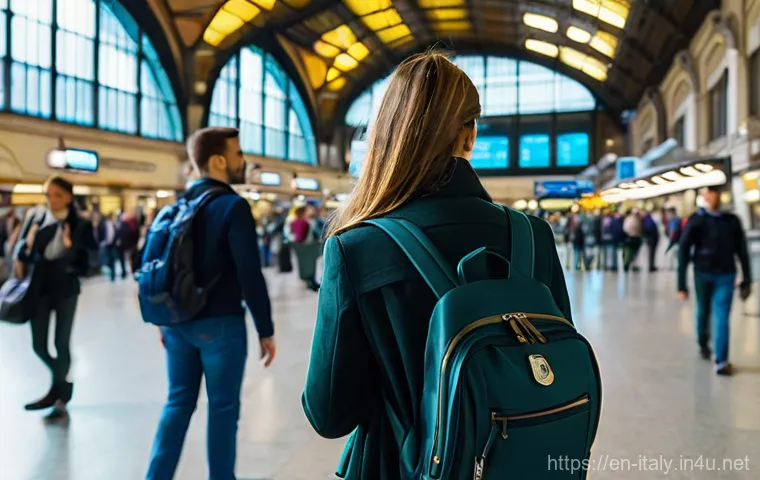
Let’s be real, airports and train stations are bustling hubs of activity and sometimes chaos. They’re gateways, and like any gateway, they require a bit of extra attention.
When you’re at Rome’s Fiumicino Airport or Milan’s Centrale Station, you’ll see a mix of security personnel and military presence, which is a testament to the heightened awareness in these crucial transit points.
My personal rule of thumb is to always keep an eye on my luggage, never leave it unattended even for a second, and to be wary of anyone offering unsolicited “help” with your bags or directions, especially if they seem overly pushy.
I also try to pre-book my transfers or know exactly which taxi stand to go to, avoiding any confusion or potential scams right off the bat. The key here is efficiency and minimizing vulnerability.
Knowing your route, having your tickets ready, and moving purposefully can make a huge difference in feeling secure and getting to your next destination without a hitch.
It’s all about being prepared and assertive, not timid.
Leveraging Technology for Enhanced Personal Security
Essential Travel Apps for Peace of Mind
In this digital age, your smartphone isn’t just for snapping amazing photos; it’s a powerful safety tool. I’ve got a whole folder dedicated to travel safety apps!
Beyond your standard map apps, consider downloading apps that provide real-time local news updates. I also swear by a reliable translation app – not just for ordering pasta, but for communicating in an emergency if my Italian isn’t up to par.
Another great idea is a secure messaging app that lets you easily share your location with trusted contacts. And for those times when you might be exploring off the beaten path, an app that lets you quickly contact local emergency services or even a personal safety alarm app can be a real game-changer.
I remember one time I got completely turned around in a small Tuscan village, and having my offline map and a translation app saved me from quite a bit of stress.
It’s about leveraging these digital tools to create a robust personal safety net.
Digital Footprint: What to Share and What to Keep Private
While it’s tempting to share every gorgeous detail of your Italian escapade in real-time on social media, think twice about how much information you’re putting out there.
Oversharing your current location or future plans can inadvertently make you a target. I personally wait until I’ve left a location before posting about it, or I keep my specific whereabouts vague until I’m back home.
It’s not about being secretive, but being smart about your digital footprint. Also, be super careful about using public Wi-Fi for sensitive transactions.
I always use a VPN (Virtual Private Network) when connecting to public networks – it encrypts your data and adds a crucial layer of security. Remember, your amazing travel memories are yours to share, but doing so intelligently protects your personal information and maintains your security while you’re abroad.
Trust me, the photos will be just as stunning a few hours later!
Beyond the Headlines: Italy’s Proactive Security Measures
The Silent Work: Intelligence and Counter-Terrorism Efforts
When we travel, we often only see the visible signs of security – police patrols, airport checks. But underneath the surface, there’s a huge amount of silent, dedicated work happening, especially in countries like Italy.
Their intelligence agencies and counter-terrorism units are constantly monitoring, analyzing, and working to prevent threats before they even materialize.
This isn’t something you’ll read about on the front page every day, and that’s often by design, as their effectiveness relies on discretion. I’ve had friends who work in related fields share insights into the sophisticated networks and collaborative efforts between European nations to share intelligence and respond quickly to potential dangers.
It’s a continuous, high-stakes chess game played out behind the scenes, and honestly, knowing that there are so many dedicated professionals working tirelessly gives me a lot of comfort.
Their vigilance is a huge part of why we can still enjoy places like Italy with a relatively strong sense of security.
Local Law Enforcement: Your Allies on the Ground
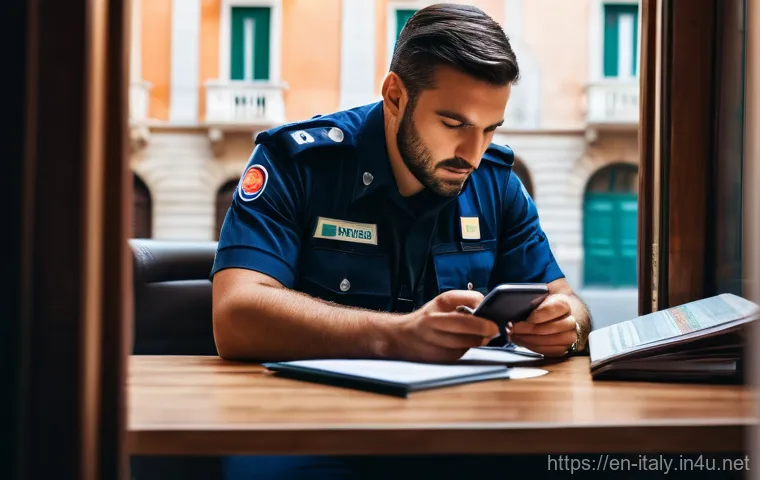
One of my biggest takeaways from traveling extensively is that local police and other law enforcement officers are truly your allies. In Italy, you’ll encounter various police forces – the Carabinieri, Polizia di Stato, and even local municipal police – each with their own responsibilities.
Don’t be shy about approaching them if you have a question or feel uneasy about something. They’re there to help! I remember once, I was a bit lost in a small town, and a Carabinieri officer went out of his way to point me in the right direction, even walking me part of the way.
Their presence isn’t just about security; it’s about maintaining order and assisting citizens and visitors alike. Understanding that they are a resource, rather than just an authority figure, can really change your perspective and make you feel much more secure.
They are trained to handle various situations, and your safety is their priority.
Cultivating a Mindset of Empowered Exploration
Balancing Adventure with Prudence
For me, travel is all about adventure, stepping out of my comfort zone, and discovering new things. But true adventure, I’ve learned, also involves a healthy dose of prudence.
It’s not about letting fear dictate your itinerary; it’s about making informed choices that allow you to fully enjoy your experience without unnecessary risks.
This means being open to spontaneity but also knowing when to say no, when to stick to a plan, or when to adjust course based on new information. It’s a dance between embracing the unknown and honoring your personal safety boundaries.
I’ve definitely learned over the years that some of the best travel memories come from taking calculated risks, but those risks are always taken with a background of awareness and preparedness.
It’s about having a rich, fulfilling experience, not a reckless one.
Trusting Your Gut: An Underrated Travel Tool
Seriously, if there’s one piece of advice I can give you, it’s this: trust your gut. That little voice, that feeling in your stomach – it’s often your most reliable safety mechanism.
If a situation feels off, if a person seems too good to be true, or if a path looks dodgy, don’t ignore that instinct. It’s your brain’s way of processing subtle cues that you might not even consciously register.
I’ve personally walked away from seemingly innocent situations simply because something felt “not right,” and I’ve never regretted it. It’s okay to be polite, but it’s even more okay to prioritize your safety.
Your intuition is a powerful, built-in alarm system, and learning to listen to it can protect you in ways that no amount of research or planning ever could.
Empower yourself with knowledge, but empower yourself even more by listening to your inner voice. Safe travels, everyone!
| Category | Tip for Italy Travel | Why it Matters for Your Trip |
|---|---|---|
| Emergency Contacts | Memorize 112 (European emergency number). | Direct access to police, ambulance, fire in any situation. |
| Important Documents | Keep copies of passport, visa, and tickets separate. | Essential for replacement if originals are lost or stolen. |
| Money Management | Use secure ATMs; carry minimal cash. | Reduces risk of theft and provides secure access to funds. |
| Public Transport | Be aware of surroundings, secure your belongings. | Crowded areas are targets for petty crime. |
| Local Scams | Be wary of overly friendly strangers or unsolicited offers. | Common in tourist areas; can lead to loss of money or belongings. |
| Health & Wellness | Have travel insurance and know local pharmacy access. | Ensures medical care and covers unexpected health issues. |
글을마치며
And there you have it, fellow adventurers! Navigating our beautiful world, especially incredible places like Italy, is truly one of life’s greatest joys. It’s not about letting potential threats overshadow the magic, but rather about arming ourselves with knowledge and a healthy dose of awareness. By understanding the landscape, utilizing smart planning, and most importantly, trusting our instincts, we can transform any journey into an empowered exploration. My hope is that these insights help you feel even more confident and secure as you chase your next Italian dream. Remember, the world is waiting, and with a little savvy, it’s yours to explore safely and joyfully!
알아두면 쓸모 있는 정보
1. Always have a digital and a physical copy of your passport, visa, and important reservations stored separately. Losing your originals is stressful enough; having copies makes replacement much smoother.
2. Familiarize yourself with basic Italian phrases like “Ciao” (hello/goodbye), “Grazie” (thank you), “Per favore” (please), and “Aiuto!” (help!). A little effort in the local language goes a long way and can be crucial in a pinch.
3. When withdrawing cash, always use ATMs attached to established banks during daylight hours. Be mindful of your surroundings and consider notifying your bank of your travel dates to avoid card issues.
4. Don’t fall for common street scams, such as someone trying to “help” you with your bags at the train station for an exorbitant fee, or the classic bracelet/rose sellers who can be very persistent. A firm “No, grazie” and walking away usually works.
5. While Italy is generally safe, petty crime like pickpocketing is common in crowded tourist areas. Keep your valuables secure, preferably in an anti-theft bag or money belt, and never leave your phone or wallet in an open back pocket.
중요 사항 정리
Ultimately, a fantastic Italian adventure is within your grasp when you blend an adventurous spirit with practical prudence. Prioritize understanding the local security landscape without succumbing to fear. Leverage available technology to enhance your safety net, and always, always trust that gut feeling – it’s your most reliable travel companion. Remember, informed travelers are empowered travelers, ready to embrace every delicious pasta dish, breathtaking fresco, and charming alleyway with confidence and peace of mind.
Frequently Asked Questions (FAQ) 📖
Q: I’m dreaming of a trip to Italy, but the thought of global threats makes me a little nervous. Should I still go, and is the risk really as high as it sounds sometimes?
A: Oh, believe me, I totally get that feeling! Italy holds such a special place in my heart – those ancient ruins, the incredible food, the vibrant culture… it’s truly magical.
And yes, it’s completely natural to feel a bit apprehensive when you hear about ‘general terror threats.’ But here’s the thing, from my own experience and what I’ve seen, Italy remains a remarkably safe and welcoming destination.
While advisories often mention a ‘general risk,’ it’s usually about exercising increased caution, much like you would in any major city around the world, whether that’s London or New York.
We haven’t seen the kind of widespread, devastating attacks on Italian soil that grab headlines for weeks. The Italian authorities are incredibly vigilant, working tirelessly behind the scenes to keep everyone safe.
So, my honest take? Don’t let fear steal your adventure! Go, enjoy the ‘dolce vita,’ but always, always stay aware of your surroundings, especially in crowded tourist spots like the Colosseum or St.
Peter’s Square. It’s about smart travel, not scared travel.
Q: Okay, I’m convinced! I’m planning my trip. What are some really practical, actionable tips I can use to keep myself and my family safe while we’re exploring Italy?
A: Fantastic! I knew you wouldn’t let fear win! Now, for those actionable tips – these are the things I personally swear by whenever I travel, especially in busy European cities.
First off, situational awareness is your superpower. When you’re strolling through a bustling market or waiting for a train, just keep an eye out for anything that feels ‘off.’ It’s not about paranoia, it’s about being present.
I always try to avoid making myself an obvious target – keep valuables out of sight, consider a cross-body bag that’s harder to snatch, and don’t flash expensive gadgets unnecessarily.
Speaking of crowded places, be extra mindful of your belongings. Pickpockets are unfortunately a global reality, not just a security threat, so a zipped inner pocket or a money belt can be your best friend.
Also, familiarize yourself with local emergency numbers – 112 is the general emergency number across the EU, including Italy. And here’s a tip I picked up: share your itinerary with a trusted friend or family member back home, and consider registering your trip with your country’s embassy or consulate.
It’s a simple step that provides an extra layer of peace of mind, knowing someone knows where you are and how to reach you if needed. Oh, and trust your gut!
If a situation or an area feels uncomfortable, it’s perfectly okay to remove yourself from it. Your safety comes first, always.
Q: I want to be a responsible traveler and stay informed. What’s the best way to get the most up-to-date and accurate information about security and travel advisories for Italy without getting overwhelmed by sensational news?
A: You’re asking exactly the right question, and it’s one I ask myself constantly! In our digital age, it’s so easy to get swamped by sensational headlines or even misinformation.
The absolute best way to stay informed without getting caught in the fear-mongering trap is to go straight to official, government sources. For U.S. travelers, the U.S.
Department of State website is my first stop – they have detailed travel advisories and alerts that are regularly updated. Similarly, if you’re from the UK, check the Foreign, Commonwealth & Development Office (FCDO) travel advice.
Most countries have similar official government sites. These sources provide a balanced, factual assessment of risks and offer practical advice, and they’re usually updated pretty quickly if there’s a significant development.
I also recommend checking the official websites of the Italian Ministry of Foreign Affairs and International Cooperation for local perspectives, although these might be in Italian, a quick translation tool can help.
And here’s a personal trick: instead of constantly scrolling social media, sign up for email alerts from these official government travel advisory sites.
That way, you get important updates delivered directly to you, cutting through the noise. Remember, being informed is about empowering yourself, not terrifying yourself.
You’ve got this!