As travel rebounds and food lovers seek fresh experiences, Italy’s culinary scene is unveiling some truly remarkable Michelin-starred treasures beyond the usual hotspots.
If you think you’ve tasted the best Italian cuisine, think again—these hidden gems offer innovative flavors and authentic atmospheres that will redefine your palate.
Whether you’re a seasoned foodie or planning your next gastronomic adventure, exploring these lesser-known restaurants promises unforgettable moments.
Join me as we uncover the unique stories and dishes that make these places worth the journey. Trust me, your taste buds will thank you for venturing off the beaten path.
Discovering Italy’s Hidden Culinary Sanctuaries
The Charm of Off-the-Radar Locations
Italy’s lesser-known Michelin-starred restaurants often nestle in charming villages or quiet corners of bustling cities where tourists rarely tread. What struck me visiting these spots is how the setting itself enhances the dining experience.
Unlike the usual crowded streets filled with tourists, these places offer a serene atmosphere where you can truly savor every bite without distraction.
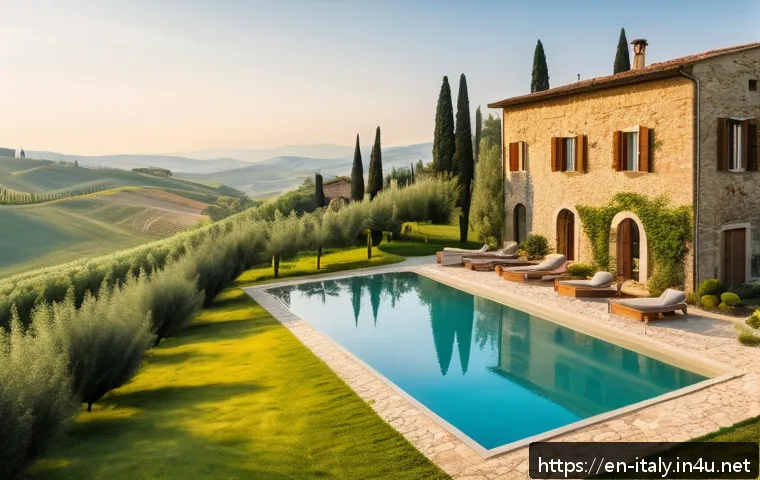
Imagine dining in a rustic stone villa overlooking rolling Tuscan hills or a cozy, family-run spot tucked away in a narrow Venetian alley. The intimacy of these locations allows chefs to connect with guests on a personal level, sharing stories behind each dish that add depth to your meal.
Innovative Twists on Traditional Flavors
What sets these hidden gems apart is their fearless approach to reinventing classic Italian recipes. I was amazed to find chefs blending centuries-old culinary traditions with contemporary techniques and unexpected ingredients.
For example, a small trattoria in Puglia might serve burrata infused with local truffles and a hint of citrus zest, or a seaside restaurant in Liguria might present freshly caught fish paired with a delicate seaweed foam.
This creative fusion respects the authenticity of Italian cuisine while surprising your palate with new textures and flavor combinations. It’s like tasting Italy for the first time, even if you’re a seasoned traveler.
Personalized Service That Feels Like Home
One of the most memorable aspects of dining in these lesser-known Michelin-starred restaurants is the warmth and attentiveness of the staff. Unlike the sometimes formal atmosphere of high-profile venues, here you feel like you’re invited into someone’s home.
The owners often greet you personally, sharing insights about their culinary journey or the origin of ingredients. I recall a visit where the chef came out to explain the inspiration behind each course, making the entire meal feel like a shared experience rather than just a transaction.
This genuine hospitality elevates your meal beyond just food to a heartfelt cultural exchange.
Unveiling Regional Treasures and Unique Ingredients
Exploring Local Produce and Rare Finds
What really fascinated me about these hidden Michelin-starred spots is their deep connection to local terroir. Many chefs prioritize sourcing ingredients from small-scale farmers, fishermen, and artisans in their immediate region.
This commitment not only supports local communities but also results in incredibly fresh and distinctive dishes. For example, in Sicily, a restaurant might showcase wild fennel and citrus harvested just hours before cooking, while in the Dolomites, mountain herbs and freshly caught trout take center stage.
These rare finds offer a taste of Italy’s diverse landscapes in every bite.
Seasonality as a Guiding Principle
Seasonality is more than a buzzword at these restaurants—it’s a philosophy that shapes the entire menu. Visiting in different seasons reveals a completely new dining experience, as chefs adapt to what nature provides.
I’ve seen menus change weekly, sometimes daily, reflecting the freshest produce and catch. This dynamic approach keeps the experience exciting and encourages repeat visits.
For instance, spring menus might celebrate wild asparagus and artichokes, while autumn brings porcini mushrooms and chestnuts into the spotlight. Eating with the seasons not only enhances flavor but also connects you to Italy’s natural rhythms.
Elevating Simple Ingredients to Art
One thing I’ve learned firsthand is that mastery in cooking doesn’t require complexity but rather respect for ingredients. These restaurants excel in elevating humble components—like a ripe tomato, a handful of olives, or a slab of freshly made ricotta—into culinary masterpieces.
The chefs’ expertise in balancing flavors, textures, and presentation transforms simplicity into elegance. Watching a chef prepare a dish that looks effortless but bursts with intricate layers of taste is a reminder of why Michelin stars are so well deserved here.
Experiencing Authentic Italian Hospitality Beyond the Menu
The Human Stories Behind the Cuisine
What makes these restaurants stand out isn’t just their food but the stories woven into every aspect of the experience. Many are family-run establishments passed down through generations, carrying legacies of passion and resilience.
During my visits, I’ve met chefs who shared tales of how their grandparents’ recipes inspired them or how local traditions influenced their culinary style.
These narratives enrich the dining experience, giving you a sense of connection to Italy’s cultural fabric. It’s like tasting history alongside modern innovation.
Creating Lasting Memories Through Intimate Settings
Unlike the hustle of tourist-heavy venues, these hidden gems offer intimate dining environments that invite conversation and reflection. The small number of tables, often just a handful, means you’re not just another customer but a guest.
This closeness fosters a relaxed atmosphere where you can linger over each course, savoring the moment fully. I’ve found that these settings encourage slower dining, which not only enhances enjoyment but also improves digestion and appreciation of the meal’s craftsmanship.
Pairing Excellence: Local Wines and Artisanal Beverages
An integral part of the experience is the thoughtful selection of drinks that complement the food perfectly. Many of these restaurants work closely with nearby vineyards and breweries to offer wines and craft beverages you won’t find elsewhere.
During one dinner in Emilia-Romagna, the sommelier introduced me to a rare Lambrusco variety paired with a rich ragu that made every bite sing. These curated pairings demonstrate the chefs’ and sommeliers’ dedication to creating a harmonious and immersive gastronomic journey.
How These Gems Compare: A Quick Overview
| Restaurant | Region | Signature Dish | Unique Ingredient | Atmosphere | Price Range (USD) |
|---|---|---|---|---|---|
| Trattoria La Finestra | Tuscany | Wild Boar Ragù | Local Saffron | Rustic Countryside Villa | 75-120 |
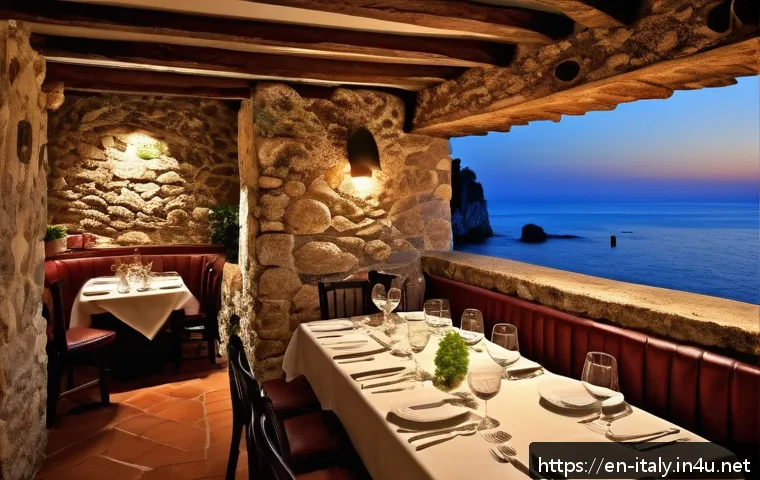
| Osteria del Mare | Liguria | Seafood Risotto | Fresh Seaweed Foam | Cozy Coastal Hideaway | 90-140 |
| Il Giardino Segreto | Umbria | Black Truffle Tagliolini | Hand-Harvested Truffles | Historic Garden Setting | 85-130 |
| Casa di Nonna | Sicily | Citrus-Infused Burrata | Wild Fennel | Family-Run Traditional | 60-100 |
| La Montagna Nascosta | Dolomites | Herb-Crusted Trout | Mountain Herbs | Alpine Lodge | 80-125 |
Choosing the Best Time to Visit These Culinary Hideouts
Seasonal Delights and Festivals
Timing your visit can transform your culinary journey from great to unforgettable. Many of these hidden Michelin-starred restaurants align special menus with local festivals or harvest seasons.
For example, visiting in late autumn might coincide with truffle festivals or chestnut celebrations, offering special tasting events and limited-edition dishes.
Springtime visits could feature fresh asparagus or artichoke harvests, accompanied by local wine tastings. Planning around these seasonal highlights allows you to experience the vibrant culture behind the food, making your trip feel even more immersive.
Weekday vs. Weekend Experiences
I’ve noticed that weekday visits often provide a quieter, more personalized experience. With fewer diners, chefs and staff have more time to interact and tailor recommendations to your preferences.
On weekends, the atmosphere tends to be livelier and more social, which can be fantastic if you enjoy a bustling environment. Either way, booking in advance is crucial, as these hidden gems have limited seating and attract loyal locals who cherish these culinary treasures.
Weather’s Role in Enhancing the Experience
The weather can surprisingly influence your dining experience at these locations. Outdoor terraces or garden seating are common, so a sunny day can elevate the meal with stunning views and fresh air.
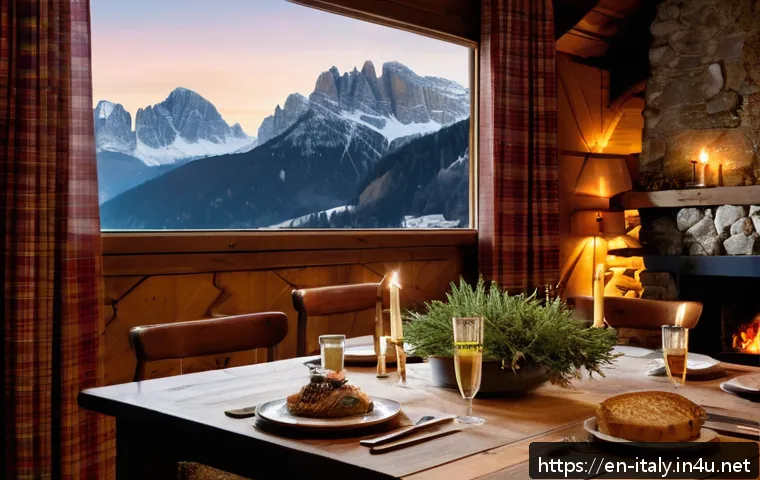
Conversely, colder months invite cozy indoor dining by a fireplace, creating an intimate ambiance perfect for savoring rich, hearty dishes. I once visited a mountain restaurant on a crisp winter evening and found the warmth of the lodge and the depth of the food created a magical contrast that still lingers in my memory.
The Art of Booking and Preparing for Your Culinary Journey
Securing Your Spot in These Exclusive Restaurants
Many of these Michelin-starred hidden gems operate on limited reservations, so planning ahead is key. I recommend reaching out at least a month in advance, especially if you’re traveling during peak seasons or want a specific dining time.
Some places even require booking via phone or email rather than online platforms, adding a personal touch to the reservation process. Don’t hesitate to ask about dietary preferences or special occasions—they often go above and beyond to accommodate and make your visit memorable.
What to Expect from the Menu and Tasting Experience
Menus at these restaurants often revolve around tasting courses that highlight the chef’s creativity and seasonal ingredients. When I experienced one such tasting menu, each course was a revelation, unfolding stories through flavors and presentation.
Expect surprises like unexpected ingredient pairings or courses served with theatrical flair. If you prefer, many places offer à la carte options, but tasting menus are a fantastic way to dive deep into the chef’s vision and the region’s culinary identity.
Tips for Enhancing Your Overall Visit
To fully appreciate these hidden culinary gems, I suggest arriving with an open mind and a healthy appetite. Engage with the staff and chefs—ask questions about the dishes and ingredients.
Bring a camera to capture the beautiful plating and ambiance, but remember to enjoy the moment first and foremost. Pair your meal with local wines recommended by the sommelier to complement the flavors perfectly.
Lastly, leave room for dessert; these often include innovative takes on classic Italian sweets that provide a sweet finale to an extraordinary meal.
Why Venturing Beyond the Tourist Path Transforms Your Italian Food Experience
Authenticity Over Popularity
Stepping away from the well-trodden tourist routes means diving into authentic Italian culture and cuisine. These hidden Michelin-starred restaurants prioritize quality and tradition over mass appeal, which translates into dishes bursting with genuine flavor and heartfelt craftsmanship.
From my experience, the meals here feel more personal and meaningful, as if you’re sharing a secret with the locals rather than following a guidebook.
Discovering New Favorites and Inspiring Creativity
Exploring these culinary hideouts often surprises even the most experienced food lovers. I’ve returned from trips inspired by new flavor combinations and cooking techniques I never encountered before.
These experiences can transform your own approach to food and cooking back home, sparking creativity and a deeper appreciation for Italian gastronomy.
Building Memories That Last Beyond the Plate
Beyond the food, the stories, people, and places you encounter at these hidden gems create lasting memories. The warmth of the hosts, the breathtaking settings, and the passion poured into every dish combine to offer an experience that lingers long after the meal ends.
For anyone serious about Italian cuisine, these off-the-beaten-path Michelin-starred restaurants are not just dining stops—they’re journeys of discovery and connection.
In Conclusion
Exploring Italy’s hidden Michelin-starred restaurants offers a unique blend of authentic flavors, intimate settings, and heartfelt hospitality. These culinary sanctuaries reveal the true essence of Italian cuisine beyond the usual tourist spots. Whether it’s the innovative dishes or the warm stories behind them, each visit becomes a memorable journey. Embracing these off-the-beaten-path gems enriches your appreciation for Italy’s diverse food culture.
Useful Information to Know
1. Reservations are essential, especially during peak seasons, to secure a spot at these exclusive restaurants.
2. Seasonal menus vary significantly, so timing your visit can enhance your culinary experience.
3. Engaging with chefs and staff can deepen your understanding and enjoyment of each dish.
4. Pairing meals with local wines or artisanal beverages elevates the overall dining journey.
5. Many hidden gems operate with limited seating, offering a more intimate and personalized atmosphere than typical tourist venues.
Key Takeaways
Discovering Italy’s lesser-known Michelin-starred restaurants means embracing authenticity, creativity, and personal connection. Planning ahead with reservations and considering seasonal availability is crucial for a seamless experience. These intimate dining spots prioritize fresh, local ingredients and genuine hospitality, making every meal feel like a special occasion. Remember to savor not just the food but the stories and settings that make these places truly unforgettable.
Frequently Asked Questions (FAQ) 📖
Q: How can I find these hidden Michelin-starred restaurants in Italy that are off the usual tourist radar?
A: Finding these culinary gems often requires a bit of research beyond the typical travel guides. I recommend checking local food blogs, recent Michelin guides, and social media channels where food enthusiasts share their latest discoveries.
Also, don’t hesitate to ask locals once you arrive—they often know the best spots that haven’t hit mainstream fame yet. Booking in advance is crucial since these places tend to be small and highly sought after.
Q: What makes these lesser-known Michelin-starred restaurants different from the famous ones in cities like Rome or Milan?
A: The charm of these hidden treasures lies in their authenticity and innovation. Unlike big city restaurants that might cater to tourist expectations, these places focus on regional ingredients, traditional recipes with a modern twist, and a more intimate dining experience.
When I visited one such spot in a small Italian town, the chef personally explained the story behind each dish, which made the meal feel personal and memorable.
Q: Is it worth traveling specifically to visit these lesser-known Michelin-starred restaurants?
A: Absolutely! If you’re a foodie or someone who loves authentic culinary experiences, these restaurants offer a rare chance to savor Italy’s diverse flavors without the crowds.
From my own trips, I’ve found that the journey to these places adds to the excitement and appreciation of the meal. Plus, the combination of great food, warm atmospheres, and often stunning local scenery creates unforgettable memories that go far beyond just eating out.