Italy’s real estate market is buzzing with fresh opportunities and unexpected challenges as we step into 2024. Whether you’re a first-time buyer or a seasoned investor, understanding the latest trends is more crucial than ever.
From shifting buyer preferences to evolving government incentives, the landscape is changing fast. I’ve recently navigated these waters myself, and I’m excited to share insights that can help you make smarter decisions.
Let’s dive into what’s really happening behind the scenes and uncover tips that can give you an edge in this vibrant market. If Italy’s charm has ever tempted you, now’s the perfect time to explore how to turn that dream into reality.
Shifts in Buyer Preferences Shaping Market Dynamics
The Rise of Remote Work Driving Demand for Spacious Homes
Remote work has become a permanent fixture for many, and this shift is reshaping what buyers look for in Italian properties. Instead of cramming into tiny city apartments, people now crave larger spaces that can double as home offices or creative studios.
From my conversations with recent buyers, it’s clear that proximity to green areas and quiet neighborhoods is now a top priority, far more than it was a couple of years ago.
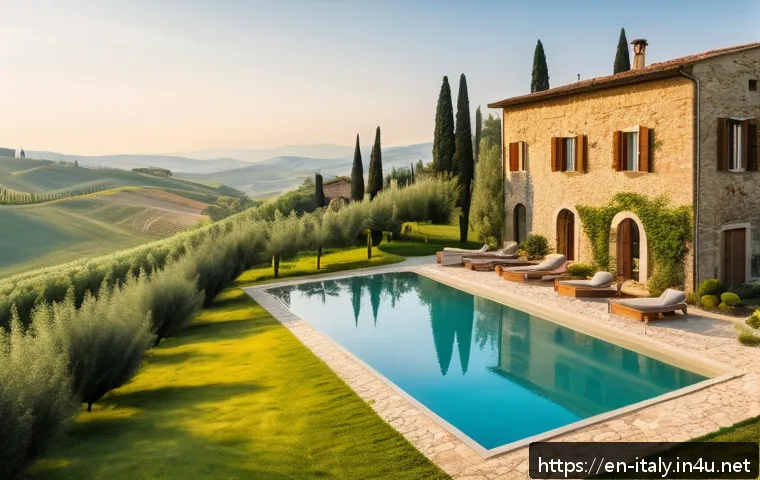
This trend is especially prominent in regions like Tuscany and Umbria, where serene landscapes complement a more flexible lifestyle.
Preference for Renovated Properties with Modern Amenities
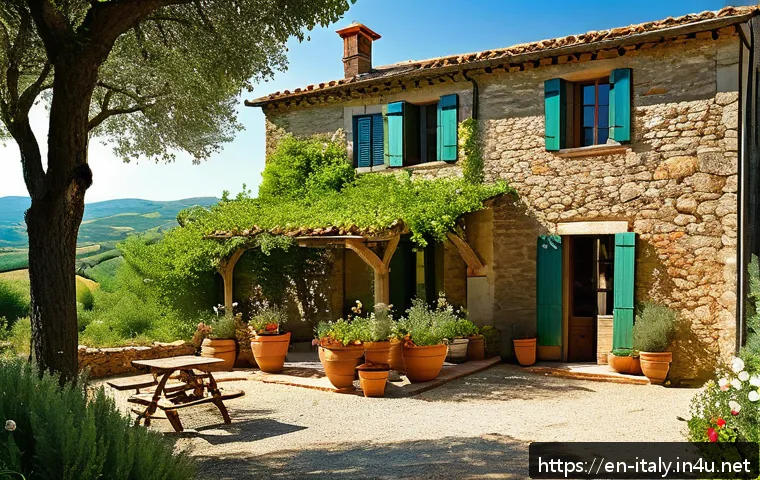
Another noticeable change is the surge in demand for homes that combine rustic charm with modern comforts. Buyers aren’t just interested in traditional stone houses; they want properties equipped with efficient heating systems, smart home technology, and energy-saving features.
During my recent search, I noticed that listings boasting updated kitchens and bathrooms tend to attract offers faster, even if the asking price is slightly higher.
This clearly shows how convenience and sustainability are becoming deal breakers in the Italian market.
Growing Interest in Smaller Towns and Countryside Living
While big cities like Rome and Milan remain popular, there’s an undeniable uptick in interest toward smaller towns and rural areas. The pandemic sparked this shift, but it’s sticking around because these locations offer a blend of affordability and lifestyle that urban centers can’t match.
I’ve seen firsthand how towns like Matera and Lecce are becoming hotspots, drawing buyers who want authentic Italian culture without the hustle and high price tags of metropolitan life.
New Government Incentives and Their Impact on Investment
Tax Breaks and Subsidies for Property Renovations
The Italian government has introduced several incentives aimed at revitalizing the housing stock, particularly through renovation subsidies. These programs offer tax deductions of up to 50% for energy efficiency upgrades or seismic improvements.
As someone who has recently taken advantage of these, I can attest that they significantly reduce the overall renovation budget, making investment in older properties far more attractive.
However, the application process can be bureaucratic, so working with a knowledgeable local agent or consultant is essential.
Incentives Targeting First-Time Buyers
To stimulate market activity, there are also targeted incentives for first-time buyers, including reduced registration taxes and easier mortgage conditions.
These measures are designed to lower the entry barriers for younger generations or those new to property ownership in Italy. From talking to friends and clients, I’ve gathered that these perks are encouraging more people to take the plunge, especially in regions where property prices remain relatively affordable.
How Incentives Vary Regionally
It’s important to note that incentives aren’t uniform across Italy. Some regions offer additional local benefits or have faster approval processes, which can influence where to focus your search.
For example, Sardinia and Sicily have introduced extra subsidies to attract new residents and investors, while northern regions emphasize energy-efficient renovations.
Understanding these nuances can save time and maximize financial advantages.
Emerging Neighborhoods Worth Watching
Revitalization Projects Breathing New Life into Historic Districts
Several historic districts in cities like Naples and Palermo are undergoing urban renewal projects, transforming neglected areas into vibrant communities.
These neighborhoods offer a unique opportunity for investors and homeowners to buy at lower prices before values soar. I recently visited one such district and was impressed by the mix of traditional architecture and new cafes, galleries, and coworking spaces that are attracting a younger crowd.
Affordable Alternatives Outside Major Metropolises
If you’re open to living outside Italy’s major cities, suburbs and satellite towns are gaining traction. Places like Monza near Milan or Paderno Dugnano offer more affordable prices, good transport connections, and growing local amenities.
Based on my experience, these areas provide an excellent balance between accessibility and cost, especially for families or those planning long-term stays.
Coastal Towns Seeing a Surge in Interest
Italy’s coastline continues to be a magnet for buyers, but the focus is shifting toward lesser-known seaside towns that blend charm with affordability.
Towns along the Adriatic coast, for instance, are attracting buyers who want seasonal homes or rental income opportunities without the premium prices of the Amalfi Coast or Cinque Terre.
I’ve noticed that these locations often have untapped potential for growth, making them smart investment choices.
Financing Trends and Mortgage Insights
Competitive Mortgage Rates and Flexible Terms
Mortgage rates in Italy remain relatively low compared to historical averages, which is great news for buyers. What I found interesting is that lenders are becoming more flexible with down payments and loan durations, tailoring offers to different buyer profiles.
For example, first-time buyers often get special mortgage packages with reduced fees or longer repayment plans, easing monthly financial pressure.
Importance of Credit Scores and Documentation
Navigating the mortgage application process can be tricky, especially for foreigners or self-employed individuals. From my own experience, having a strong credit history and complete documentation upfront can speed up approvals.
It’s also crucial to work with a mortgage broker who understands the local market nuances and can negotiate favorable terms.
Impact of Exchange Rates on International Buyers
For international buyers, currency fluctuations between the euro and their home currency can affect purchasing power significantly. When I was buying, timing the exchange and consulting with a financial advisor helped me lock in a better rate, ultimately saving thousands.
Keeping an eye on forex trends is a smart move if you’re planning to invest from abroad.
Rentals and Short-Term Leasing: What Investors Should Know
Tourism-Driven Demand in Key Cities
Cities like Rome, Florence, and Venice continue to see strong demand for short-term rentals, driven by steady tourism. I’ve spoken with property owners who successfully rent their apartments on platforms like Airbnb, generating attractive returns.
However, it’s essential to stay updated on local regulations, as some cities have introduced restrictions to control the number of short-term rentals.
Long-Term Rentals Gaining Stability Post-Pandemic
On the flip side, long-term rental markets have stabilized and even improved in certain regions. With more people relocating within Italy for work or lifestyle reasons, demand for reliable, affordable rental housing is growing.
From what I’ve observed, landlords who invest in property upgrades and offer flexible lease terms tend to attract better tenants and reduce vacancy periods.
Balancing Rental Income with Property Maintenance
Managing a rental property in Italy requires balancing income with upkeep costs. I learned this the hard way when unexpected maintenance bills popped up shortly after purchasing.
Hiring a trusted local property manager can save headaches and protect your investment, especially if you don’t live nearby.
Comparing Property Types: What Fits Your Goals?
Traditional Villas vs. Modern Apartments
Choosing between a classic Italian villa and a sleek modern apartment depends on your lifestyle and investment aims. Villas often come with larger land plots and historic appeal but require more maintenance and initial outlay.
Apartments, on the other hand, offer convenience, security, and often better rental yields. When I was weighing options, I found that apartments in central locations had quicker resale potential, while villas suited those seeking a tranquil retreat.
Renovation Projects vs. Move-In Ready Homes
Buying a fixer-upper can mean a lower purchase price and the chance to customize, but it also demands time, effort, and additional funds. From my renovation journey, I can say that patience and a reliable contractor are key.
Move-in ready homes provide peace of mind but usually come at a premium. Your choice depends heavily on how involved you want to be in the process and your budget.
Unique Property Categories: Historic Palazzos and Farmhouses
For buyers looking for something truly distinctive, historic palazzos or rural farmhouses offer incredible character and potential. These properties often come with heritage restrictions but can be transformed into boutique hotels, vacation rentals, or private estates.
I explored a few such properties recently and was struck by their charm, though they require a clear plan and commitment to restoration.
| Property Type | Typical Price Range (EUR) | Maintenance Level | Investment Potential | Ideal Buyer |
|---|---|---|---|---|
| Modern Apartment | €150,000 – €400,000 | Low | High rental yield, easier resale | Urban professionals, first-time buyers |
| Traditional Villa | €300,000 – €1,000,000+ | High | Long-term value, lifestyle investment | Families, retirees, second-home buyers |
| Fixer-Upper | €100,000 – €350,000 | Very high | Potential for significant appreciation | Investors, DIY enthusiasts |
| Historic Palazzo | €500,000 – €3,000,000+ | Very high | Unique value, niche market | Luxury buyers, boutique hotel operators |
| Farmhouse | €200,000 – €700,000 | High | Rural tourism, lifestyle | Nature lovers, agritourism investors |
In Conclusion
The Italian property market is evolving rapidly, shaped by changing buyer preferences, government incentives, and emerging neighborhood trends. Whether you’re seeking a spacious countryside home, a modern apartment, or a unique historic property, understanding these shifts will help you make smarter investment decisions. With the right knowledge and local support, navigating Italy’s real estate landscape can be both rewarding and enjoyable.
Helpful Information to Keep in Mind
1. Remote work continues to influence demand, making spacious homes near green areas highly sought after.
2. Renovated properties with modern amenities are increasingly preferred for convenience and sustainability.
3. Smaller towns and rural areas offer attractive affordability and authentic cultural experiences.
4. Government incentives vary by region and can significantly reduce renovation and purchase costs.
5. Working with local experts, especially for mortgages and legal matters, is essential for a smooth buying process.
Key Takeaways
Understanding the evolving preferences of buyers, such as the move towards larger homes suitable for remote work, is crucial. Government incentives can provide substantial financial benefits but differ across regions, so researching local programs is important. Additionally, carefully weighing property types—whether modern apartments, traditional villas, or fixer-uppers—against your lifestyle and investment goals will help you find the best fit. Lastly, partnering with knowledgeable local professionals can greatly enhance your experience and ensure your investment is sound.
Frequently Asked Questions (FAQ) 📖
Q: What are the current buyer preferences in Italy’s real estate market for 2024?
A: Lately, there’s been a noticeable shift toward properties that offer more than just a roof over your head. Buyers are increasingly prioritizing homes with outdoor spaces, energy efficiency, and modern amenities.
From my own experience, especially after visiting several listings, properties in smaller towns or countryside areas are gaining traction due to the appeal of a quieter lifestyle and better value.
Urban buyers, however, still seek well-connected apartments but now place more weight on smart home features and sustainable design. So, if you’re looking to invest, focusing on these preferences can really give you an advantage.
Q: How are government incentives influencing the Italian real estate market this year?
A: The Italian government has continued to promote several incentive programs aimed at revitalizing the housing market and encouraging renovations. For instance, the Superbonus 110% scheme, which covers energy-efficient upgrades, is still a hot topic, although with some changes in eligibility and deadlines.
From what I’ve gathered through recent consultations, these incentives make renovation projects financially attractive, especially for older properties that need work.
It’s worth consulting a local expert to understand how these evolving policies can benefit your purchase or renovation plans because missing out on these perks could mean losing significant savings.
Q: What challenges should buyers and investors be aware of in Italy’s real estate market right now?
A: One of the main challenges right now is navigating the rising property prices in popular regions like Tuscany, Lombardy, and parts of Rome, driven by increasing demand and limited inventory.
When I was exploring options myself, I noticed that bidding wars and quicker sales cycles have become more common, which means hesitation could cost you the deal.
Additionally, bureaucracy and paperwork can still be quite complex and time-consuming, especially for foreigners. It’s essential to have a reliable local agent or legal advisor to help streamline the process and avoid unexpected delays or costs.
Keeping these hurdles in mind will prepare you better for a smoother buying experience.