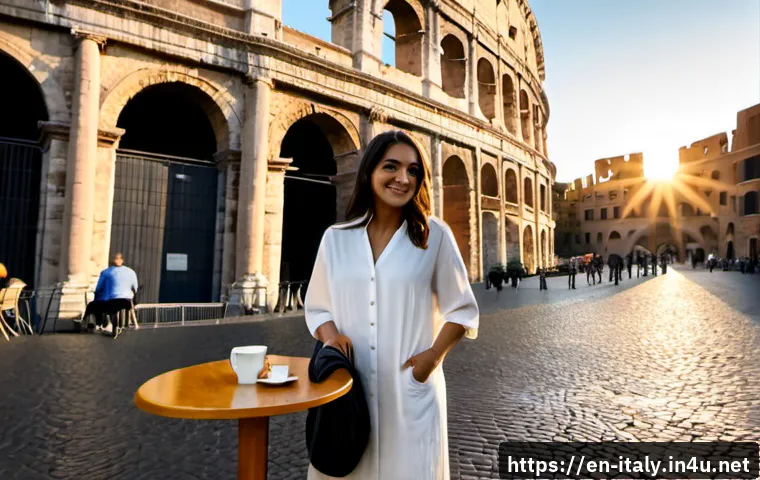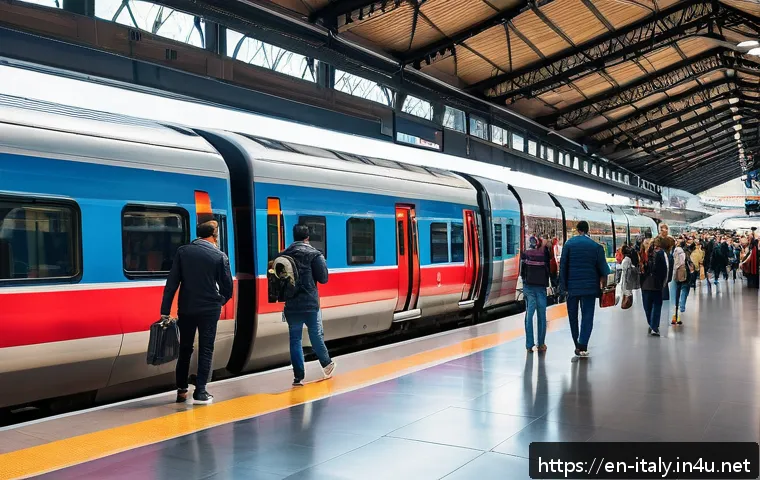
Travelers worldwide are rediscovering the charm of Italy by train, especially as rail networks bounce back stronger than ever. With the Eurail Pass gaining popularity for its flexibility and convenience, now is the perfect time to unlock Italy’s hidden gems on your own terms.
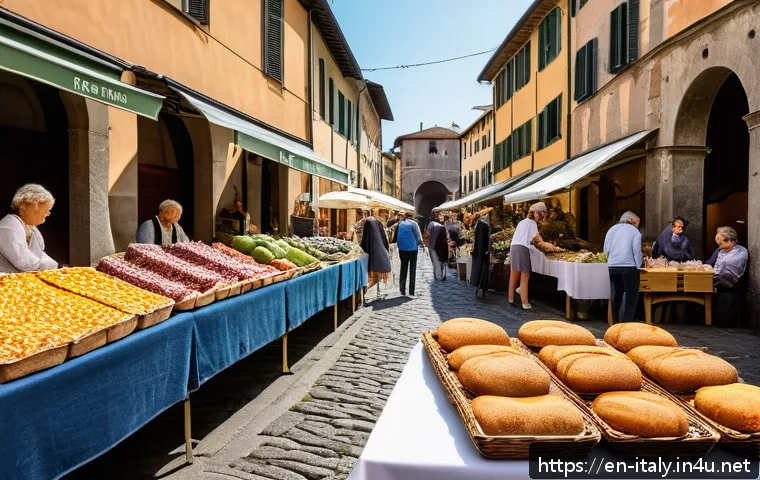
Whether you’re craving the vibrant streets of Rome or the serene landscapes of Tuscany, mastering your Eurail Pass can turn a simple trip into an unforgettable adventure.
Join me as we dive into expert tips and insider tricks that will help you make the most of every mile on Italy’s iconic rails. Get ready to experience Italy like a local, with the freedom to explore at your own pace!
Planning Your Italian Rail Journey with Ease
Choosing the Right Eurail Pass for Your Itinerary
When I first started exploring Italy by train, picking the right Eurail Pass was a game changer. There are several types, like the Italy Pass for unlimited travel within the country or the Global Pass if you plan to hop between neighboring countries.
The key is matching your travel style and schedule. For example, if you’re aiming to visit just Rome, Florence, and Venice over a week, a 3-day Italy Pass spread across that week might save you a lot compared to buying single tickets.
On the other hand, if your trip includes quick day trips or extensive travel in multiple countries, the Global Pass offers flexibility without breaking the bank.
Don’t forget to check the pass validity period and activation rules to avoid any surprises once you’re on the train.
Best Time to Activate Your Eurail Pass
Activating your Eurail Pass at the right moment can make a huge difference. Based on my experience, it’s smart to wait until your first train journey or even the day before, especially if you want to maximize the pass days.
For instance, if you arrive in Milan in the afternoon but plan to take your first train the following morning, activate your pass the night before. This way, you don’t waste a travel day.
Also, remember that pass days run from midnight to midnight, so planning your long-distance trips early in the day helps stretch your pass value. Keep your itinerary flexible because sometimes you might want to change plans based on weather or local events.
How to Reserve Seats and Avoid Crowds
While many regional trains in Italy don’t require seat reservations, popular high-speed trains like Frecciarossa, Italo, and Frecciargento do. I learned this the hard way when I showed up without a reservation and had to stand for hours.
Booking in advance, especially during peak seasons, ensures a comfortable journey. You can reserve seats online or at train stations, often for a small fee, which is well worth the peace of mind.
Another insider tip: traveling early in the morning or late at night usually means less crowded trains and a quieter ride. Weekdays tend to be busier with commuters, so planning your scenic trips on weekends can make the experience more relaxed.
Unlocking Italy’s Hidden Gems Beyond the Major Cities
Exploring Lesser-Known Towns with the Eurail Pass
Everyone knows about Rome, Florence, and Venice, but Italy’s charm truly shines in smaller towns that the train connects effortlessly. From my travels, places like Orvieto, Lucca, and Matera offer rich history and authentic local vibes without the crowds.
These towns are often just a short train ride away from bigger hubs. For example, Orvieto is reachable within 90 minutes from Rome and offers stunning hilltop views and underground caves that few tourists see.
Using your Eurail Pass to hop off the beaten path feels like a secret unlocked, giving you space to breathe and savor Italy at a gentler pace.
Combining Train Travel with Local Transport
Once you arrive at smaller stations, local buses or trams often complete the journey into town centers or surrounding attractions. I always check local transit apps or station info to coordinate my connections.
In places like Siena or Cinque Terre, the last mile can be a bit tricky, but the charm of narrow streets and panoramic views makes the effort worthwhile.
Sometimes walking is the best way to soak in the atmosphere. Also, smaller towns often have fewer taxis, so planning ahead with public transit schedules saves time and avoids unnecessary expenses.
Timing Your Visits for Festivals and Seasonal Events
One of the perks of flexible train travel is adjusting your plans to catch local events. Italy’s calendar is packed with festivals that light up towns in unforgettable ways.
For instance, the Palio horse race in Siena or the Venice Carnival bring vibrant energy and cultural richness. Using the Eurail Pass, I’ve been able to shift my itinerary last minute to experience these events without worrying about ticket costs.
Keep an eye on regional event calendars and train schedules to make the most of these unique opportunities.
Maximizing Comfort and Convenience Onboard
What to Expect on Italy’s High-Speed Trains
From personal experience, riding Italy’s high-speed trains is not just about getting from point A to B quickly—it’s an experience in itself. These trains offer comfortable seats with ample legroom, power outlets, and free Wi-Fi on many routes.
I usually bring a light snack and water, though onboard cafes are available. The smooth ride allows me to relax, catch up on reading, or plan the next leg of my trip.
If you’re traveling with luggage, there’s plenty of overhead storage and designated areas for larger bags, which is a relief after lugging heavy suitcases through cobblestone streets.
Tips for Navigating Train Stations Like a Pro
Italian train stations vary widely—from the grand architecture of Roma Termini to smaller regional hubs. I’ve found that arriving at least 20 minutes before departure helps avoid last-minute stress, especially when you need to validate tickets or find platforms.
Stations have clear signage in both Italian and English, but it pays to double-check with staff or digital boards. Also, watch out for pickpockets in busy stations; keeping bags close and using anti-theft backpacks saved me from mishaps.
Many stations also have luggage storage services, which come in handy if you want to explore a city without dragging your bags around.
Understanding Train Classes and Upgrades
Italy’s trains offer different classes, usually Standard (Second Class) and First Class. On high-speed services, First Class provides more space, quieter carriages, and complimentary refreshments.
I’ve treated myself to First Class on longer trips like Milan to Naples, and the extra comfort made the journey feel luxurious and less tiring. For shorter or regional trips, Standard Class is perfectly fine and often less crowded midweek.
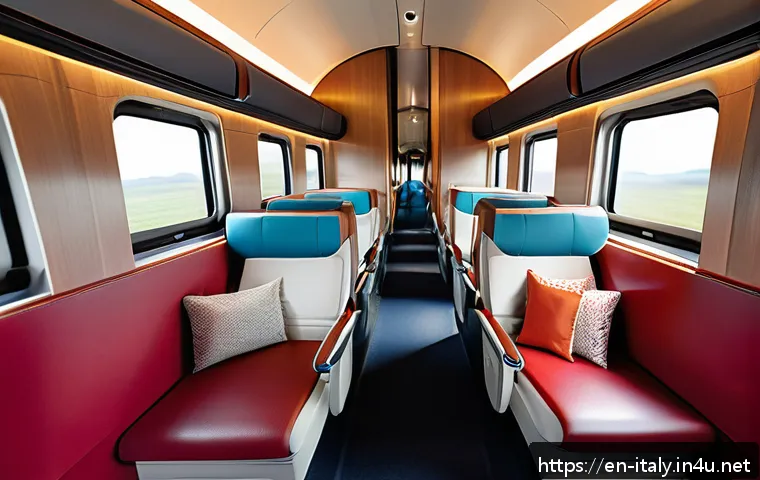
Keep an eye out for occasional upgrade offers when booking tickets or at the station, which can be a pleasant surprise.
Smart Budgeting for Your Rail Adventure
Comparing Eurail Pass Costs with Single Tickets
To get the best bang for your buck, I always compare the Eurail Pass prices against buying individual tickets. If your travel involves multiple long-distance journeys, the pass usually wins out.
However, if you plan just a couple of trips, single tickets booked early can be cheaper. Booking tickets online in advance often unlocks discounts, but the flexibility of the pass is unbeatable if your plans aren’t fixed.
Also, keep in mind that some regional trains are not covered by the pass and might require separate tickets.
Saving on Accommodation Near Train Stations
Staying close to major train stations can save transit time and money. I’ve found that many hotels and guesthouses offer early check-in or luggage drop-off for train travelers.
Areas around stations like Florence Santa Maria Novella or Naples Centrale have a range of options from budget hostels to boutique hotels. Booking in advance, especially during peak seasons, helps avoid premium rates.
Some cities also have affordable Airbnb stays within walking distance, perfect for those who prefer a homier vibe.
Using Local Food Markets and Street Food to Stretch Your Budget
Dining in Italy doesn’t have to break the bank, especially when you’re traveling by train and need quick meals. I love stopping at local markets near train stations to grab fresh produce, cheese, and bread for a picnic on the go.
Street food like pizza al taglio in Rome or arancini in Sicily are delicious, filling, and wallet-friendly. These options let you eat like a local while keeping your travel budget intact, allowing more freedom to splurge on experiences or souvenirs.
Essential Apps and Tools for a Seamless Trip
Must-Have Apps for Train Schedules and Reservations
Apps like Trenitalia and Italo are lifesavers for checking real-time schedules, booking seats, and receiving updates. I always keep both installed because sometimes one offers better deals or availability.
Eurail’s official app is also great for managing your pass and validating tickets digitally where allowed. These tools reduce the hassle of station lines and help me plan connections smoothly.
Offline features come in handy when traveling through remote areas with spotty internet.
Navigation and Language Assistance Apps
Navigating unfamiliar towns is much easier with apps like Google Maps and Citymapper, which provide walking and public transit directions. For language, I rely on apps like Google Translate to quickly communicate or understand menus.
I’ve found locals appreciate when you try a few basic Italian phrases, but having a translator app is a helpful backup. These tools combined create a sense of confidence and independence when exploring off-the-beaten-path destinations.
Budget Tracking and Expense Management
Traveling by train can add up, so I use apps like Trail Wallet or Splitwise to keep track of daily expenses. This helps me stay within my budget and adjust spending if needed.
Keeping an eye on how much I’m spending on tickets, food, and accommodations helps avoid surprises at the end of the trip. Plus, some apps allow sharing expenses with travel companions, which is great for group trips.
Comparing Train Types and Their Features in Italy
| Train Type | Speed | Reservation Required | Comfort Level | Typical Routes | Approximate Fare Range |
|---|---|---|---|---|---|
| Frecciarossa | Up to 300 km/h (186 mph) | Yes | High (First & Second Class) | Major cities like Milan, Rome, Naples | $25 – $100+ |
| Italo | Up to 300 km/h (186 mph) | Yes | High (Comfort & Club Class) | Rome, Florence, Venice, Naples | $20 – $90+ |
| Frecciargento | Up to 250 km/h (155 mph) | Yes | Medium-High | Rome to Southern cities like Lecce | $20 – $80+ |
| Intercity | Up to 160 km/h (99 mph) | Usually no | Medium | Regional long-distance | $15 – $50 |
| Regional (Regionale) | Up to 120 km/h (75 mph) | No | Basic | Local routes and commuter lines | $5 – $20 |
In Conclusion
Traveling Italy by train offers an incredible blend of convenience, culture, and adventure. With the right planning and tools, your rail journey can be smooth and memorable. Whether you’re chasing iconic cities or hidden gems, the flexibility of the Eurail Pass enhances every moment. Embrace the experience, stay curious, and let the rails guide your Italian exploration.
Helpful Tips to Remember
1. Always compare Eurail Pass options with single tickets to find the best value for your itinerary.
2. Book seat reservations early for high-speed trains to ensure comfort during busy travel periods.
3. Use local transit apps to navigate last-mile connections efficiently and avoid surprises.
4. Pack light snacks and water for the train rides to stay refreshed without relying solely on onboard services.
5. Keep an eye on local festival calendars to enrich your trip with authentic cultural experiences.
Key Takeaways
Choosing the appropriate Eurail Pass tailored to your travel plans is essential for maximizing savings and convenience. Activating your pass strategically helps stretch its value across your trip. Advance seat reservations prevent discomfort on popular routes, while exploring smaller towns unlocks a more authentic Italian experience. Utilizing apps for schedules, navigation, and budgeting simplifies your journey and reduces stress. Lastly, balancing comfort and cost with smart accommodation and dining choices will help you enjoy Italy without overspending.
Frequently Asked Questions (FAQ) 📖
Q: uestions
A: bout Traveling Italy by Eurail Pass
Q: How do I activate my Eurail Pass for travel within Italy?
A: Activating your Eurail Pass in Italy is quite straightforward. You can do this at major train stations by visiting the ticket counter or self-service machines before boarding your first train.
Alternatively, some passes are activated automatically once you start your first journey, but it’s crucial to check the specific terms of your pass. Don’t forget to fill in your travel dates on the pass itself if it’s a paper ticket, as failure to do so can lead to fines.
I’ve found that arriving a bit earlier at the station helps avoid any last-minute rush when activating the pass.
Q: Can I reserve seats on Italian trains using the Eurail Pass, and is it necessary?
A: Seat reservations are highly recommended, especially on high-speed trains like Frecciarossa, Italo, and InterCity services in Italy. While your Eurail Pass covers the ticket cost, reservations usually require an additional fee.
Booking in advance guarantees a seat, which is vital during peak tourist seasons or holidays. Personally, I always book online a few days ahead to secure the best seats and avoid standing during longer journeys.
Regional trains generally don’t require reservations, so you can hop on and off more freely with your pass there.
Q: What are some insider tips for using the Eurail Pass to explore lesser-known destinations in Italy?
A: To truly experience Italy beyond the tourist hotspots, I recommend mixing high-speed trains with regional lines covered by your Eurail Pass. For example, after visiting Rome or Florence, try exploring smaller towns like Orvieto, Lucca, or the charming villages in Cinque Terre via regional trains.
These routes offer breathtaking scenery and authentic local vibes. Also, using the Eurail app or website helps you plan flexible routes and check train times in real time.
From my experience, giving yourself extra time between connections allows for spontaneous stops or detours, making your Italian rail adventure even more memorable.