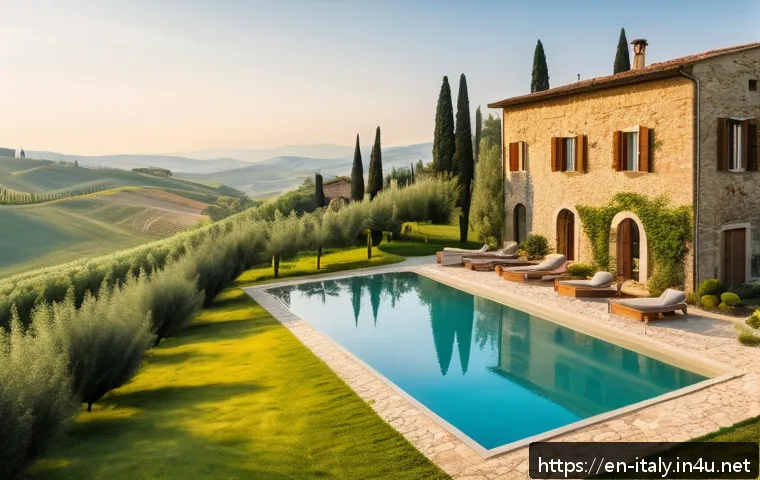
A balanced Italy itinerary often starts with Rome, Florence, and Venice, then adds one slower destination such as the Amalfi Coast, Tuscany, or the Italian Lakes.
This approach gives first-time visitors a clear introduction to Italy’s major art cities without making every day feel like a transfer day. The best route depends on your available time, travel season, arrival airport, and preferred pace.
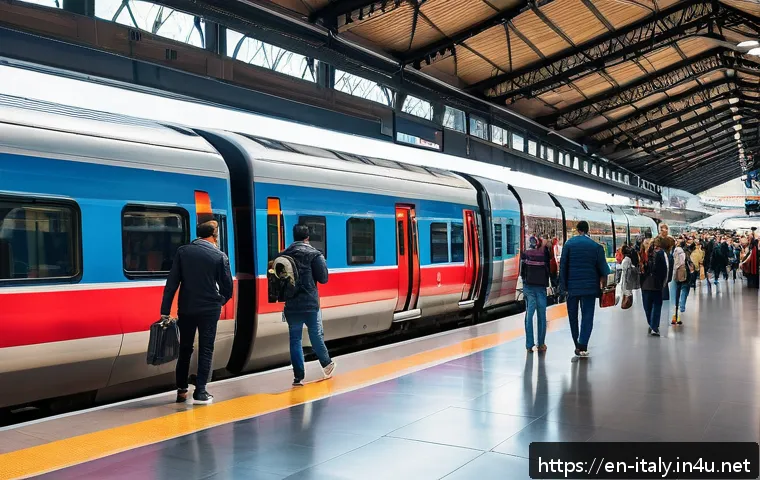
Rail travel can make the main city connections straightforward, while coastal and rural areas usually need more local transport planning. Build the itinerary around a few priorities, leave room for unscheduled walks and meals, and check current booking requirements before committing to each stop.
Choose the Right Regions for Your Trip Length
Start by deciding whether your trip is mainly about Italy’s landmark cities or whether you also want a slower regional stay. Rome, Florence, and Venice are commonly included on a first-time itinerary because they offer distinct experiences: ancient history and big-city energy in Rome, Renaissance art and compact streets in Florence, and canals and a unique waterfront setting in Venice. Rather than trying to include every famous destination, choose a route that leaves enough time to settle into each place.
A Classic Route for First-Time Visitors
A classic route links Rome, Florence, and Venice in one direction. It is easy to understand, and the rail network can be practical between these major cities. The order may change depending on your arrival and departure airport, so it is worth checking flight options before booking accommodation. If your pace is relaxed, avoid treating all three cities as quick stops; museums, neighborhoods, and simple meal breaks can take more time than expected.
How to Add a Coast, Countryside, or Lake Destination
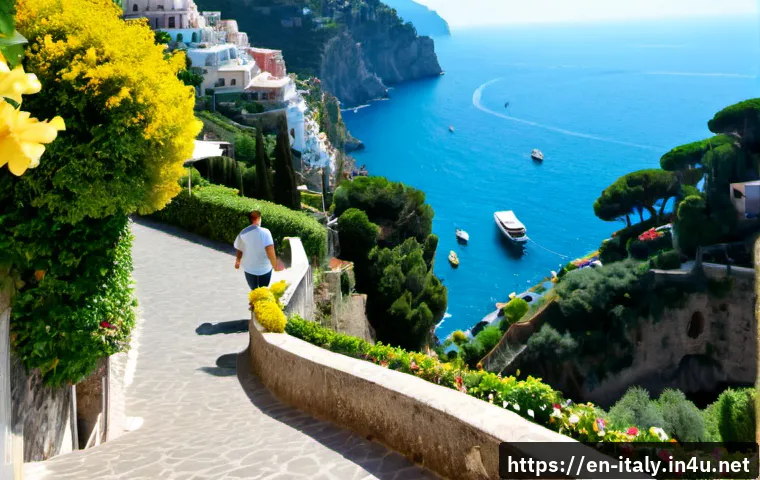
Add only one regional destination if you want the trip to remain manageable. Tuscany suits travelers who want countryside scenery and smaller towns, while the Amalfi Coast appeals to visitors looking for a coastal stay. The Italian Lakes can offer another slower contrast to the cities. These areas may involve local trains, buses, ferries, or road travel, so they need more planning than the main city-to-city route.
Build a Logical Route Between Major Cities
A logical route reduces backtracking and preserves time for sightseeing. Once you know where you arrive and leave Italy, map the major cities in a continuous sequence. Rome, Florence, and Venice work well as connected stops, but current train schedules and availability should always be checked before finalizing the plan.
Rome to Florence to Venice
Rome to Florence to Venice is a familiar northbound route, with major-city rail travel as the backbone. It can also be reversed if your flights make that more convenient. Keep transfer days light: checking out, reaching the station, handling luggage, and finding your next accommodation can take up a meaningful part of the day. A late arrival is usually not the best time to schedule a major attraction.
When a Rental Car Makes Sense
A rental car can make more sense when your itinerary focuses on rural Tuscany or other places where local transport is less direct. It is generally less necessary for a city-only route, where trains and local transit can be more practical. Consider the parking situation, luggage needs, and the exact locations of your stays before choosing a car. A mixed plan can also work: use trains between major cities, then arrange local transport for the regional portion.
| Travel style | Best fit | Planning focus |
|---|---|---|
| First visit with art and history | Rome, Florence, Venice | Rail connections and attraction reservations |
| City trip with countryside | Major cities plus Tuscany | Local transport or possible car use |
| City trip with coast or lakes | Major cities plus Amalfi Coast or Italian Lakes | Regional connections and accommodation availability |
Plan Time in Rome, Florence, and Venice
Each city rewards a different rhythm. Rome can feel spread out, Florence is often easier to explore on foot, and Venice involves navigating canals, bridges, and water-based transit. Group nearby sights on the same day, but avoid turning the itinerary into a checklist. A neighborhood walk, a long lunch, or time to sit in a square can be as memorable as a major museum.
Balancing Landmark Visits with Unplanned Time
Choose a limited number of priority landmarks for each city and leave open periods around them. This helps if weather changes, transport takes longer than expected, or a museum visit runs over. Summer can bring higher visitor numbers in popular destinations, so a slower schedule is especially useful then. It also gives you more flexibility for restaurants that may require a reservation.
Booking Popular Attractions Ahead
During busy periods, reservations may be needed for major attractions, trains, accommodations, and restaurants. Check current attraction rules before you travel, since reservation systems and entry arrangements can change. Booking the experiences that matter most first creates a stable framework; the rest of the day can remain flexible. Do not assume walk-in access will be available at every popular sight.
Add a Slower Italian Destination
A regional stop changes the feel of an Italy itinerary. After major cities, it can provide more time for scenery, meals, and a less structured daily routine. The right choice depends on your interests, the season, accommodation availability, and how much extra transport you are comfortable arranging.
Tuscany, the Amalfi Coast, and the Italian Lakes
Tuscany is a natural choice for countryside-focused travel, particularly if smaller towns and rural stays are your priority. The Amalfi Coast is better suited to a coastal itinerary, but its local transport needs should be considered carefully. The Italian Lakes can be a good option for travelers who want a scenic regional break. None is automatically the best choice for every trip; select the one that fits your pace rather than adding all three.
Practical Planning for Transport, Stays, and Meals
Good logistics make an itinerary feel easier without making it rigid. Confirm current schedules, reservation requirements, and accommodation availability before paying for nonrefundable arrangements. Keep your arrival and departure days realistic, especially when changing cities or moving into a region with more complicated local connections.
Train Travel, Local Transit, and Luggage Considerations
Trains can be practical between many major Italian cities, while regional destinations may require additional planning. Check how far your accommodation is from the station or local transit stop, particularly when carrying luggage. A compact bag can make transfers, stairs, and busy stations easier to manage. If a route includes ferries, buses, or rural stays, allow extra time rather than relying on a tight connection.
Seasonal Packing and Dining Customs
Pack according to the expected weather and the activities you have planned, whether that means city walking, coast time, or countryside travel. In popular destinations during summer, lighter schedules can help with crowds. For dining, plan ahead when a restaurant is important to you, as reservations may be needed during busy periods. Keep some meals flexible as well, since local timing and availability can vary.
Wrapping Up
A strong Italy route does not need to cover every famous place. Use Rome, Florence, and Venice as a city framework if they match your interests, then add one regional destination for a different pace. Plan transport and reservations early where needed, but leave space for the parts of Italy that are best discovered without a strict timetable. Your final route should reflect your dates, budget, and travel priorities.
Useful Things to Know
Major cities are often easiest to connect by rail. Tuscany, the Amalfi Coast, and the Italian Lakes may require more detailed local transport planning. Summer can mean more visitors, and reservations may be needed for attractions, trains, stays, and restaurants. Check current schedules and availability before travel.
Key Points to Remember
For a first Italy trip, prioritize a coherent route over an overly long list of destinations. Choose city-to-city trains where practical, use a rental car mainly when a rural itinerary supports it, and add only the regional stop that best fits your available time and preferred pace.
Frequently Asked Questions
Q1. What is the best Italy itinerary for a first-time visitor?
A1. Rome, Florence, and Venice are a common first-time combination because they cover major art, history, and city experiences. Add Tuscany, the Amalfi Coast, or the Italian Lakes only if your trip length and travel pace allow for an extra regional stay.
Q2. How many days do I need for Rome, Florence, and Venice?
A2. The right number of days depends on your total trip length, interests, budget, and pace. Allow enough time to visit your highest-priority sights, manage transfers, and still have unplanned time in each city rather than treating every stop as a brief visit.
Q3. Is it better to travel around Italy by train or rental car?
A3. Trains can be practical between major cities such as Rome, Florence, and Venice. A rental car may be more useful for rural areas like parts of Tuscany, where local transport can require more planning. The better option depends on your exact route, stays, and luggage needs.