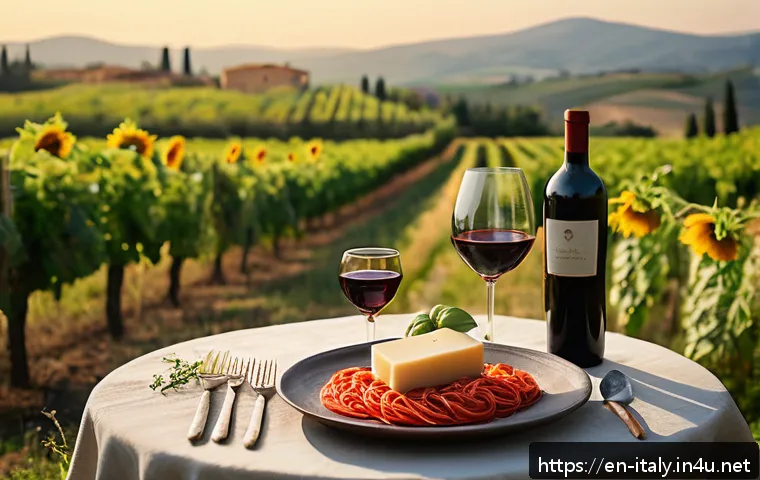
With travel trends constantly evolving, more people are seeking unique experiences that go beyond typical tourist spots. Lately, blending Italian charm with Korean dynamism has become a fascinating way to refresh your vacation style.
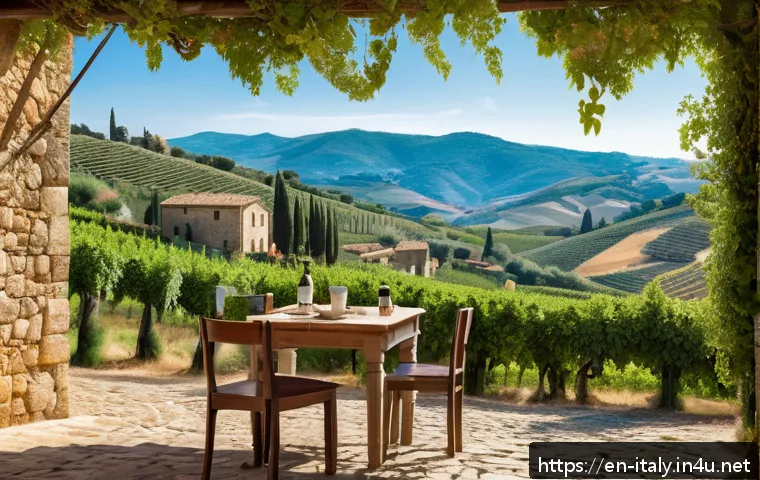
Whether it’s savoring authentic street food in Seoul or wandering through Italy’s hidden villages, these contrasting approaches offer fresh perspectives on exploration.
I’ve noticed how embracing both can turn an ordinary trip into an unforgettable journey. Ready to uncover how these distinct travel styles can elevate your next adventure?
Let’s dive in and discover the magic that awaits.
Embracing the Pulse of Urban Life Versus Serene Countryside Strolls
Immersing in the Buzz of City Streets
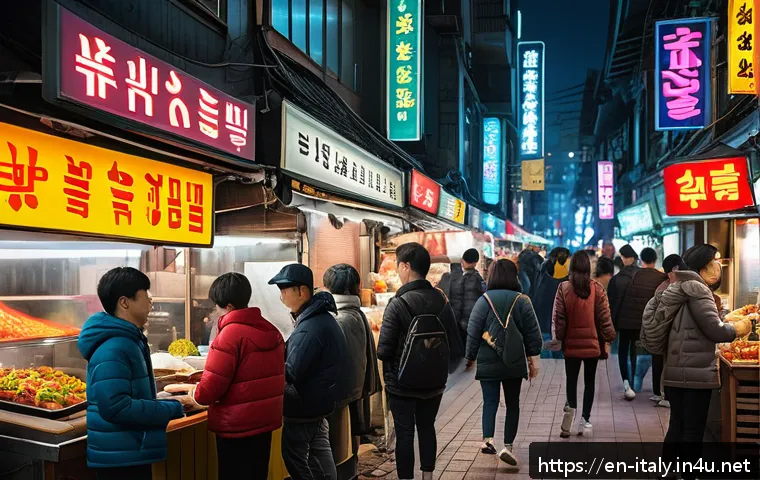
One of the first things that strikes me about dynamic cities like Seoul is the relentless energy that never seems to fade. Walking through neighborhoods bustling with neon signs, street vendors, and crowds offers a sensory overload that’s oddly invigorating.
It’s not just about moving through space but feeling the heartbeat of a city that’s alive 24/7. I remember wandering late into the night, tasting spicy tteokbokki from a street stall where the owner was chatting with regulars like neighbors.
That sense of community amid the chaos creates an experience unlike any other. This kind of urban immersion allows travelers to witness a living, breathing culture that’s constantly evolving.
Finding Peace in Hidden Villages and Countryside
On the flip side, Italy’s lesser-known villages provide a stark contrast—a slower, more contemplative pace that invites you to savor every moment. Picture narrow cobblestone streets lined with centuries-old stone houses, where time seems to have paused just for you.
The quiet charm of a small piazza, a local café pouring espresso, and the distant hum of nature create a perfect backdrop for reflection. I once spent a morning in a tiny Tuscan village where the locals greeted me with warm smiles, eager to share stories about their heritage.
These places offer a chance to connect deeply with history and nature, far from the rush of tourist hotspots.
Balancing Excitement and Tranquility for a Fuller Experience
I’ve found that mixing these two approaches—urban vibrancy and rural calm—turns a trip into a more balanced adventure. After the sensory overload of a bustling city, retreating to a peaceful village feels like hitting a refresh button.
It’s like tasting the best of both worlds: the thrill of new discoveries and the joy of slow living. This balance can help you avoid travel burnout and gain a richer understanding of the places you visit.
Personally, switching between these environments made me appreciate each setting more deeply, as the contrasts highlighted unique cultural traits and lifestyles.
Culinary Journeys: From Street Snacks to Rustic Home Cooking
The Allure of Street Food Culture
There’s something magical about grabbing a quick bite from a street vendor that no fancy restaurant can replicate. In Korea, the street food scene is vibrant, offering everything from spicy rice cakes to crispy hotteok.
What makes it special is the immediacy and authenticity—you watch your food being made right in front of you, and the flavors are bold and unapologetic.
I still recall the first time I tried freshly fried mandu wrapped in a warm sesame leaf; the explosion of textures and tastes was unforgettable. Street food not only satisfies hunger but also serves as a gateway to local culture, often bringing strangers together over shared enjoyment.
Traditional Italian Flavors Rooted in Family Recipes
In contrast, Italy’s culinary scene, especially in rural areas, is all about slow food and tradition. Meals are often family affairs, where recipes have been passed down through generations.
The focus is on fresh, local ingredients prepared with care and respect. I once joined a cooking class in a small village where the host showed us how to make handmade pasta, emphasizing patience and technique.
The result was a simple yet profoundly satisfying meal that felt like a warm embrace. This kind of dining experience connects you not just to the food but to the stories and people behind it.
How Food Shapes Cultural Connection
Food is a powerful bridge between cultures, and experiencing it in different settings deepens your travel experience. Whether it’s grabbing quick bites from bustling night markets or sitting down to a leisurely meal in a family kitchen, these moments offer insights into daily life and values.
For me, sharing meals with locals has often led to unexpected friendships and memorable stories, making the trip feel more personal and meaningful. It’s an invitation to slow down, savor, and connect beyond the usual tourist gaze.
Exploring Traditions: Celebrations and Everyday Rituals
Festivals that Light Up the Streets
Korean festivals are vibrant and often tied to the lunar calendar, with events like Chuseok and the Lantern Festival bursting with color and communal spirit.
I’ve been lucky to witness these firsthand, and the energy is contagious. Streets fill with music, dance, and food stalls, creating a carnival-like atmosphere where locals and visitors mingle freely.
These events are a fantastic way to witness living traditions and feel part of something bigger than yourself.
Age-Old Customs in Italian Towns
Italy’s festivals often have deep historical roots, reflecting centuries of religious and cultural heritage. From medieval reenactments to grape harvest celebrations, these events offer a glimpse into the past.
I recall attending the Palio horse race in Siena, where the entire city seemed to pulse with pride and anticipation. Participating in such traditions felt like stepping back in time, yet the excitement was undeniably present.
These celebrations are not just spectacles but expressions of identity and community pride.
Everyday Rituals that Define Local Life
Beyond festivals, everyday rituals reveal much about a culture’s rhythm. In Korea, morning walks in parks or communal tea drinking sessions show a society that values wellness and social bonds.
In Italy, the afternoon “riposo” or siesta encourages rest and rejuvenation, highlighting a slower pace of life. Observing these small but meaningful habits adds depth to your travel experience, allowing you to appreciate how locals find balance and joy in daily routines.
Navigating Transportation: From High-Tech Efficiency to Leisurely Drives
Seamless Transit Systems for Swift Exploration
One thing I absolutely admire about Seoul is its super-efficient public transportation. The subway is clean, punctual, and covers almost every corner of the city, making it easy to hop between neighborhoods without hassle.
I’ve found that relying on this system lets me maximize sightseeing time while avoiding traffic jams. The convenience of reloadable transit cards and English signage also eases navigation for international travelers.
For those who enjoy a fast-paced itinerary, this is a huge plus.
Scenic Drives through Italy’s Countryside
In contrast, exploring Italy’s countryside often calls for a rental car and a willingness to take your time. Driving along winding roads that thread through vineyards, olive groves, and quaint villages is an experience in itself.
I remember a spontaneous detour that led me to a hidden hilltop town where I watched the sunset with a glass of local wine. This leisurely mode of travel encourages serendipitous discoveries and a deeper connection to the landscape.
It’s less about rushing and more about soaking in the surroundings.
Choosing the Right Transportation for Your Travel Style
Deciding between fast urban transit and slow countryside drives depends on your priorities. If you thrive on efficiency and want to pack many sights into one day, Korea’s transit system is unbeatable.
But if you prefer meandering journeys that let you pause and explore at will, Italy’s roads offer unmatched freedom. Personally, mixing both has given me the best of both worlds: the thrill of rapid city exploration and the calm of open-road adventures.
Accommodation Styles: From Modern Minimalism to Rustic Charm
Contemporary Stays with Cutting-Edge Comfort
In Korea’s major cities, I often choose sleek, modern hotels or guesthouses that blend minimalistic design with high-tech amenities. Think smart room controls, spotless spaces, and efficient layouts that cater to the busy traveler.
Staying in these places makes it easy to recharge after a long day of urban adventure. Plus, many are centrally located, so stepping out into the city’s pulse is just an elevator ride away.
This kind of accommodation suits travelers who appreciate convenience without sacrificing style.
Charming Villas and Agriturismos in Italy
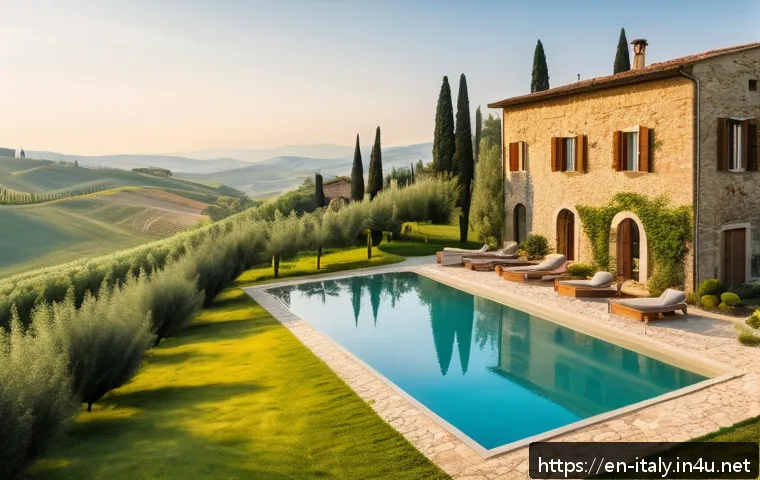
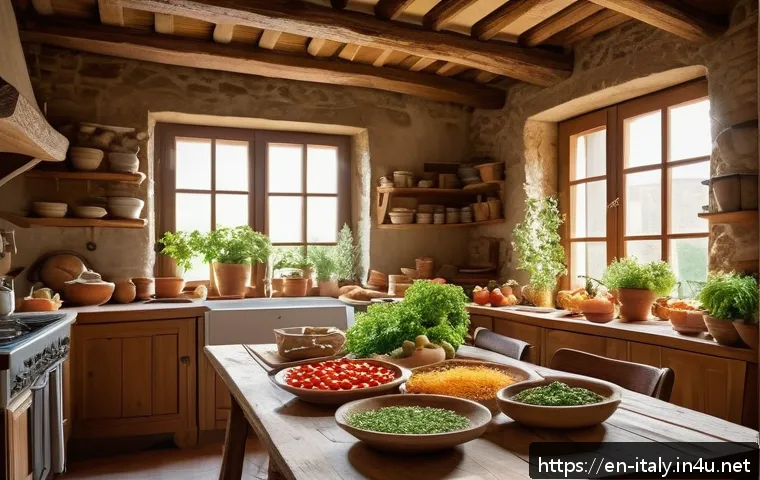
Italy’s rural accommodations offer a very different vibe—think stone farmhouses, vineyards, and family-run inns where hospitality feels personal and warm.
I once stayed in a countryside agriturismo where breakfast included eggs from the resident chickens and homemade marmalade. The slower pace and intimate setting allowed me to truly unwind and connect with nature.
These stays often come with beautiful views and opportunities to learn about local farming or cooking traditions, adding layers to the travel experience.
How Accommodation Enhances Your Journey
Where you stay can shape how you experience a destination. Modern hotels in Korea amplify the city’s fast pace and convenience, while Italy’s rustic lodgings encourage relaxation and cultural immersion.
For me, balancing both types of accommodation has enriched my trips, providing a dynamic mix of energy and calm. It’s worth considering how your lodging choice fits your travel goals and the kind of memories you want to create.
Comparing Key Travel Elements: A Quick Overview
| Aspect | Urban Korea | Rural Italy |
|---|---|---|
| Atmosphere | Fast-paced, vibrant, tech-savvy | Slow, historic, tranquil |
| Food Style | Street food, bold flavors, quick bites | Traditional recipes, slow-cooked, family-style |
| Transportation | Efficient public transit, walkable neighborhoods | Leisurely drives, scenic routes |
| Accommodation | Modern hotels, minimalistic design | Rustic villas, farm stays |
| Social Interaction | Dynamic, fast exchanges, communal spaces | Intimate, community-oriented, slow conversations |
Capturing Moments: Photography and Storytelling Styles
Fast-Paced Urban Snapshots
In a city like Seoul, photography often captures the energy and motion—bright lights, crowds, and fleeting moments. I tend to take quick shots of street scenes, neon signs, or spontaneous cultural events.
The challenge is to freeze the vibrancy without losing the sense of movement. These images tell stories of a city that’s constantly on the move, full of surprises at every corner.
Timeless Portraits of Village Life
When wandering through Italy’s countryside, I find myself slowing down to compose images that reflect stillness and history. Shots of rustic doors, aged walls, or local artisans at work evoke a sense of timelessness.
These photos serve as visual stories that connect past and present, revealing the character of a place through its details. I’ve learned that patience and attentiveness are key to capturing the soul of these settings.
Blending Approaches for a Richer Travel Narrative
By combining quick urban snapshots with slow, deliberate rural portraits, my travel albums become more layered and meaningful. This mix reflects the diverse experiences I’ve had and offers viewers a fuller picture of each destination.
Storytelling through photography is a personal journey as much as a creative one, and embracing different styles has deepened my appreciation for the places I visit.
Language and Communication: Navigating New Tongues with Ease
Tech-Driven Language Tools in Urban Settings
In cities like Seoul, I’ve found that technology plays a huge role in bridging language gaps. Translation apps, digital maps, and multilingual signs make it easier to get around and interact with locals.
While I don’t speak Korean fluently, these tools gave me the confidence to ask for directions, order food, and even strike up conversations. Technology empowers travelers to feel less isolated and more engaged.
Learning Local Phrases to Build Rapport
In Italy’s small towns, where English isn’t always common, I quickly realized that learning a few key phrases went a long way. Greeting shop owners with a simple “Buongiorno” or thanking neighbors in their language often brought smiles and opened doors.
Even when my pronunciation wasn’t perfect, the effort showed respect and curiosity. These small gestures enriched my interactions and made me feel more welcome.
Adapting Communication Styles for Authentic Connection
Understanding cultural nuances in communication—whether it’s the directness common in Korean urban life or the warm formality of Italian countryside greetings—helped me navigate social situations more smoothly.
Being open, patient, and observant made all the difference. For me, travel is as much about connection as sightseeing, and adapting how I communicate has been key to forming genuine bonds.
Closing Thoughts
Traveling between vibrant cities and peaceful countryside offers a unique blend of energy and calm that enriches any journey. Embracing both environments helps you connect more deeply with local cultures and lifestyles. Whether it’s the fast pace of urban life or the slow rhythms of rural areas, each experience brings its own memorable charm. Finding balance between these worlds makes travel not just a visit, but a meaningful adventure.
Useful Tips to Remember
1. Plan your itinerary to include both bustling city experiences and tranquil countryside escapes for a well-rounded trip.
2. Use local transportation systems in urban areas to save time and immerse yourself in everyday life.
3. Learn a few key phrases in the local language to enhance communication and build rapport with residents.
4. Try street food and traditional home-cooked meals to fully appreciate the regional culinary culture.
5. Choose accommodations that reflect the character of the destination, whether modern and convenient or rustic and charming.
Key Takeaways
Combining the excitement of urban exploration with the peacefulness of rural retreats creates a balanced travel experience that fosters deeper cultural understanding. Utilizing technology and language skills improves interactions and ease of travel. Food and festivals are essential gateways to local traditions and community life. Thoughtful accommodation choices and mindful transportation planning enhance comfort and connection. Ultimately, adapting your travel style to embrace contrasts enriches your journey and leaves lasting memories.
Frequently Asked Questions (FAQ) 📖
Q: How can combining Italian and Korean travel experiences enhance my vacation?
A: Blending Italian charm with Korean energy offers a unique contrast that enriches your trip. Italy’s relaxed pace and historical villages provide a deep cultural immersion, while Korea’s vibrant street food scenes and dynamic urban life keep things exciting and fast-paced.
Experiencing both allows you to appreciate different ways of living and exploring, making your vacation more diverse and memorable.
Q: What are some must-try activities when exploring Italy’s hidden villages and Korea’s urban hotspots?
A: In Italy’s hidden villages, I recommend indulging in local wines and homemade pasta while chatting with locals to soak up authentic culture. In Korea’s cities, don’t miss out on street food markets like Gwangjang Market in Seoul, where you can taste everything from spicy rice cakes to savory pancakes.
Both experiences offer hands-on, sensory delights that truly connect you with the place.
Q: Is it difficult to plan a trip that includes both Italy and Korea?
A: It might seem challenging at first due to distance and different travel styles, but with some smart planning, it’s totally doable. I found that spacing out your itinerary—maybe a week in Italy followed by a week in Korea—helps you enjoy each culture fully without feeling rushed.
Booking flights early and researching local events can also make your journey smoother and more rewarding.